


We have created this useful guide to help you choose the right resin types for different market applications. Want to find the perfect resin to your formulations?
Resins types and their applications
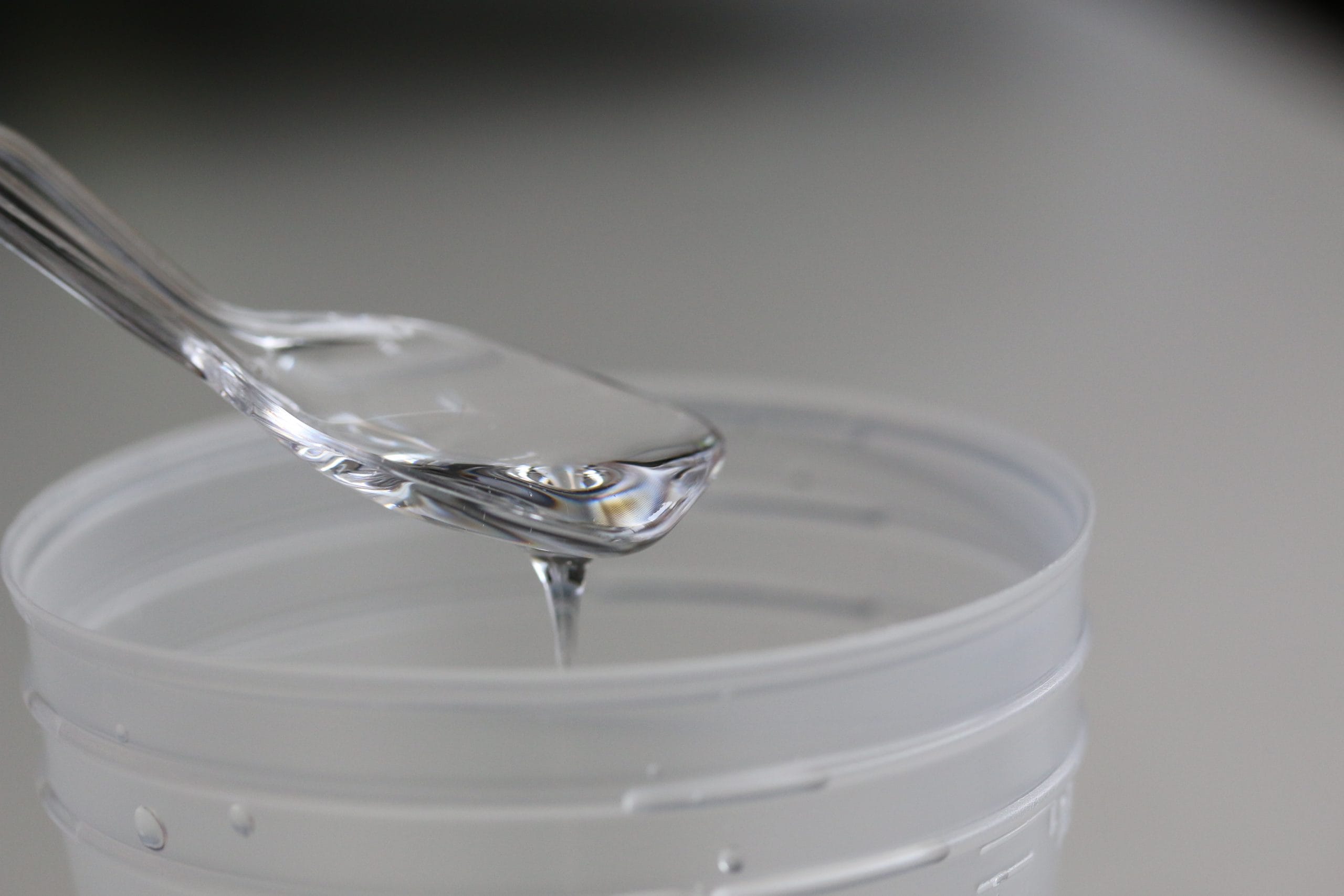
Resin is a highly viscous substance that, when cured under certain conditions, becomes irreversibly hard.
True resin is an organic substance sourced from the bark of trees, especially pines, spruce, and firs. These natural resins are soluble in various organic liquids, except water.
Natural resins are mainly used for the manufacture of varnishes, adhesives, food glazing agents, incense, and perfumes.
For most of today’s industrial applications, however, synthetic resins are preferred. They can be manufactured in several ways (by esterification and/or polymerization of organic compounds) and tailored to specific uses.
Thus, choosing the right resin for a particular application becomes a pivotal decision for manufacturers, since there is no “one size fits all” solution. Specifying the correct resin for your application will ensure that your finished product meets its performance requirements, whether it is for mold making, coatings, countertops, or construction materials.
Polyester Resin: Properties and Applications
Polyester resin is a synthetic resin and a type of thermosetting resin formed by the combination of polyhydric alcohols and dibasic organic acids. They are highly flexible, heat-resistant, flame-resistant, and chemical-resistant as well. When cured, polyester resins solidify into a hard, durable material that is widely used in industrial and consumer applications.
Polyester resins are also the least expensive of resin options and, therefore, are used to process large-quantity products. They can be applied in laminate production, casting resin projects, and even mold fabrication.
Applications include
- Construction equipment
- Aircraft components
- Auto body fillers
- Marine components
- Fishing rods
- Coatings
- Skis
- Bottles
- Laminate
- Decorative accessories
Polycarbonate Resin: Durable and Transparent Uses
Polycarbonate resin is a synthetic polymer and belongs to the broader family of resin types used in demanding applications. It is mainly manufactured by polymerization of phosgene and bisphenol A.
These resins are transparent, impact-resistant, stain-resistant, heat-resistant, and feature excellent toughness and thermal dimensional stability. Their translucent or clear high gloss finish makes them suitable where visibility and strength are required.
Thus, polycarbonate resins are mainly used for applications that need to maintain their strength even in stressful conditions. They also have a high refractive index and are frequently chosen for craft projects, countertops, and safety equipment.
Application include
- Safety helmets
- Ophthalmic lenses
- Security windows
- Photography films
- Automotive headlamps
- Skylights
- Motorcycle face shields and windscreens
- Anti-vandal glazing
- Safety goggles
- Metal replacements
Polyurethane Resin: Flexible and High-Performance Solutions
Polyurethane resin is a highly versatile synthetic resin and can be categorized as a thermosetting resin when cross-linked. These resins are manufactured from polyol and isocyanate components. They are extremely versatile and can be used to manufacture a wide range of different products, often in combination with other resins.
They offer excellent adhesion to substrates. Other notable characteristics of polyurethane resins include high elasticity, a good balance of elongation and hardness, and the ability to cure into flexible or rigid forms depending on the formulation and curing process.
Polyurethane resins are also valued for their ability to be applied as coatings, laminates, or moldable materials. They are widely used in both industrial and consumer craft projects because of their durability and adaptability.
Applications include
- Surface coatings and sealants
- Foam liners for clothing
- Insulation panels
- Stretchable fabrics
- High-performance adhesives
- Hard plastic components
- Elastomeric tires and wheels
- Temporary implants
- Carpet underlay
- Upholstery cushioning
Epoxy Resin: Strong, Versatile, and Easy to Cure
Epoxy resin is one of the most widely used synthetic resins and belongs to the family of thermosetting resins. It is mainly developed by polymerization of epichlorohydrin and bisphenol-A.
Epoxy resins are popular because they can be poured into a mold, cured, and hardened into strong, durable parts. When cured properly, they display outstanding properties such as heat resistance, chemical resistance, electrical insulation, high adhesive strength, higher dimensional stability, and toughness. They also provide a clear high gloss finish that is valued for craft projects, jewelry, and decorative countertops.
Another major advantage is their compatibility with UV stabilizers and additives, which allows epoxy resins to be used outdoors without yellowing. This makes them a preferred choice for coatings, laminates, casting resin applications, and even wood varnishes.
Applications include:
- Structural adhesives
- Fiber-reinforced plastics
- Crash-resistant adhesives
- Rigid foams
- High voltage insulator materials
- Industrial coatings
- Paints
- Thermal interface materials (TIMs)
- Primers and sealers
- Aerospace and marine applications
Polystyrene Resin: Cost-Effective and Moldable
Polystyrene resin is a synthetic resin manufactured from the monomer styrene, a petroleum-derived aromatic liquid. It belongs to the category of commodity resin grades, widely used because of its cost-effectiveness and ease of processing.
Polystyrene resins have a high refractive index, good electrical insulation properties, and good dielectric strength, with outstanding resistance to salts, acids, and alkalis. When processed, they can be molded or cured into disposable items, packaging, and craft materials.
These resins are clear, low-cost, and easy to manufacture, which explains their popularity in coatings, laminates, and simple casting resin projects.
Applications include:
- Disposable food service ware
- Toys
- Instrumentation hosings
- Gardening pots
- Cooling towers
- Pipes
- Insulating panels
- Laboratory ware
- Automotive instruments
- Rubber
Phenolic Resin: Thermosetting Durability
Phenolic resin, commonly known by the tradename Bakelite, is a thermosetting resin formed from a combination of phenol and formaldehyde. It was one of the first synthetic resins developed and remains important today because of its durability and versatility.
Its properties include heat resistance, electrical resistance, chemical resistance, corrosion resistance, good dimensional stability, hardness, and long-term durability. When properly cured, phenolic resins can be molded into complex parts or laminated into durable sheets, making them suitable for a wide variety of industrial and craft projects.
Phenolic resins are also used in coatings, bonded adhesives, countertops, and mold fabrication. Their natural resistance to bacteria and fungi makes them a preferred choice for surfaces where hygiene is important, such as in kitchen applications.
Applications include:
- Brake linings
- Automotive ashtrays
- Cookware and stove handles
- Adhesives for cement
- Resin impregnation
- Motor brush holders
- Laminate
- Bonded adhesives
- Electrical components
- Molds
Silicone Resin: Heat Resistance and Coating Applications
Silicone resin is a synthetic resin made of three-dimensional cross-linked polymers, often formed with the less reactive tetraethoxysilane (TEOS) or ethyl polysilicate and several disiloxanes.
Silicone resins form hard films with excellent weathering resistance, heat resistance, water repellency, oxidative stability, and dielectric properties. They also display low surface tension and retention of elasticity, even at low temperatures. Once cured, silicone resins are known for their outstanding performance as protective coatings, laminates, and moldable materials.
They are frequently used in coatings for countertops, electrical insulation, craft projects, and specialty varnishes. Thanks to their durability, silicone resins are suitable for both industrial applications and decorative uses.
Applications include:
- Encapsulated resins
- Wire varnishes for high-performance electric motors and generators
- Bakeware
- Defoamers
- Fireplace inserts
- Rubber
- Laminating and molding
- Silicone enamels and paints
- Protective coating resins
- Water-resistant applications
Acrylic Resin: Clear High Gloss and UV Resistance
Acrylic resin is a transparent synthetic resin belonging to the group of thermoplastic resins. It is typically formed from acrylic acid, cyanoacrylic acid, methacrylic acid, or other related compounds.
These resins have good tensile strength along with UV resistance, weather resistance, water resistance, and impact resistance properties. Due to their excellent weatherability as coating materials, acrylic resins are extensively used for automotive coatings, plastic finishes, architectural coatings, and decorative craft projects.
When cured, they provide a clear high gloss finish that makes them a popular choice for signage, countertops, laminates, and casting resin applications. Their versatility also allows them to be molded into panels, tiles, or transparent sheets.
Applications include:
- Adhesives
- Architectural wall paints/masonry
- Structural and decorative panels
- Translucent tiles
- Elastomers
- Tooth restorations
- Industrial and architectural coatings
- Finishing varnishes
- Signs
- Marine paints
Polypropylene Resin: Moldable and Lightweight
Polypropylene resin is a colorless, low-density synthetic resin that does not contain bisphenol-A. It is considered one of the most versatile thermoplastic resins thanks to its excellent thermoforming and injection molding properties.
Since polypropylene resins have good heat resistance and chemical resistance, they can be sterilized and are often used for making medical-grade equipment, including disposable syringes and petri dishes. Once cured or molded, they are also suitable for packaging, laminates, coatings, and craft projects.
Polypropylene resins are easily processed and moldable, making them a cost-effective option across multiple industries. Their strength and durability also make them useful for countertops, household goods, and various casting resin applications.
Applications include:
- Toys
- Fibers and filaments
- Plastic furniture
- Coatings
- Electronic components
- RSpecimen bottles
- Medical vials and syringes
- Disposable food service ware
- Pipe and production tubing
- Packaging for products
Polyethylene Resin: Commodity Resin for Coatings and Packaging
Polyethylene resin is the most common type of synthetic resin, commercially produced with a wide range of specifications. It can be categorized into low density (LDPE), high density (HDPE), and ultra-high molecular weight (UHMW-PE) groups.
Polyethylene resins are highly flexible and easy to process. They have excellent moisture resistance, chemical resistance, and steam resistance. When properly cured or molded, polyethylene can be transformed into durable parts for packaging, laminates, coatings, and casting resin projects.
Because of their low cost and versatility, polyethylene resins are often classified under commodity resin grades, though certain high-performance types are used for demanding applications. They are widely used in craft projects, household items, countertops, and industrial mold production.
Applications include:
- Packaging for laminates and films
- Toys
- Food packaging
- Molds
- Containers
- Garbage containers
- Cable insulation
- Pipes and fittings
- Coatings
- Medical devices
Key Considerations When Choosing a Resin Type
When choosing the right resin type for your application, it is crucial to clearly understand the physical requirements of the product, including environmental conditions, potential stressors, chemical exposure, and its expected service life.
These are the most important factors in creating the perfect product design. Different resin classes have different values of tensile strength, durability, flexural modulus, elongation, and resistance to heat, chemicals, corrosion, moisture, and impact. Knowing how a resin will cure and perform under pressure helps avoid costly mistakes.
So, the type of resin you choose for your application largely depends on the desired outcome:
- Will the parts be exposed to chemicals?
- Will they be exposed to extreme temperatures?
- Is transparency or a clear high gloss finish required?
- How strong should the part be?
- Does it need to be flexible or elastic?
- Will it be able to withstand impact?
Resins also fall into different resin grades, including commodity resin grade, engineering resin grade, and specialty/high-performance resin grade.
- Commodity resin grades are inexpensive plastics typically produced at a high volume. Due to their low cost, they are used for making common consumer goods, packaging, or simple craft projects where complex curing is not required.
- Engineering resin grades have better mechanical and thermal properties than commodity resins. They offer good resistance to chemicals, high temperatures, and corrosion. They are commonly used as a potential alternative for metal parts and for coatings, laminates, and mold applications.
- Specialty/High-Performance resin grades are extremely strong, tough, and dimensionally stable. They have excellent chemical resistance, radiation resistance, long-term thermal stability, and superior mechanical properties. Thus, they can be used for extremely demanding and critical-use applications, like surgical instruments, aerospace components, or high-durability countertops.
The choice of resin also depends on its cost, curing process, and final quality requirements.
While this guide gives you a general overview of which resin type is suitable for which application, the ultimate decision comes down to balancing the considerations that are most critical to your product design.
How does your budget balance against your performance needs? How do your aesthetic goals, such as gloss or finish, balance against the need for durability and strength?
Get Support from our team and find your resin!
Frequently asked question about Resins
What is a resin used for?
Resins are used across multiple industries for coatings, adhesives, laminates, molds, and casting resin applications. Natural resins have historically been used in varnishes, perfumes, and incense, while synthetic resins such as epoxy resin, polyester resin, and polyurethane resin are used for countertops, construction materials, automotive parts, and craft projects.
Is resin just plastic?
Resin is not exactly the same as plastic. Resin refers to the raw material, often in liquid or semi-solid form, that undergoes a curing process to become a solid. Plastics, on the other hand, are finished polymer materials derived from resins. While many plastics start as synthetic resins, not all resins are classified as plastics. For example, natural resins like tree sap are not plastic at all.
What does “resin” mean?
The word “resin” describes a viscous substance that hardens when cured. Natural resins are organic substances secreted by plants, while synthetic resins are chemically formulated polymers. In modern usage, resin typically refers to epoxy, polyester, silicone, or other synthetic types used in manufacturing and coatings.
What are the three types of resin?
Resins can be broadly divided into three main categories: natural resins, synthetic resins, and thermosetting resins. Natural resins are plant-derived. Synthetic resins include polyester resin, epoxy resin, and polyurethane resin. Thermosetting resins, such as phenolic resin or epoxy, undergo a chemical reaction during curing that makes them permanently solid and durable.
Are resin and epoxy the same?
No, resin and epoxy are not the same. “Resin” is a general term for viscous substances that cure into solids, while “epoxy resin” is a specific type of synthetic thermosetting resin made from epichlorohydrin and bisphenol-A. Epoxy resins are known for their strong adhesive properties, clear high gloss finish, and resistance to UV, heat, and chemicals, making them ideal for coatings, laminates, and countertops.
How is resin made?
Natural resin is secreted by plants as a protective organic substance. Synthetic resins are made through chemical processes such as esterification, polymerization, or reactions involving petrochemical feedstocks. For example, polyester resin is made by combining polyhydric alcohols with dibasic organic acids, while epoxy resin is produced from epichlorohydrin and bisphenol-A.
Will resin stick to plastic, glass, or silicone?
Resin can bond to certain plastics and glass surfaces if they are properly prepared, often by sanding or applying a primer. However, most resins will not adhere strongly to silicone, which is why silicone molds are commonly used in casting resin projects. Epoxy resin, in particular, is often used for bonding glass and some plastics, but not silicone.