


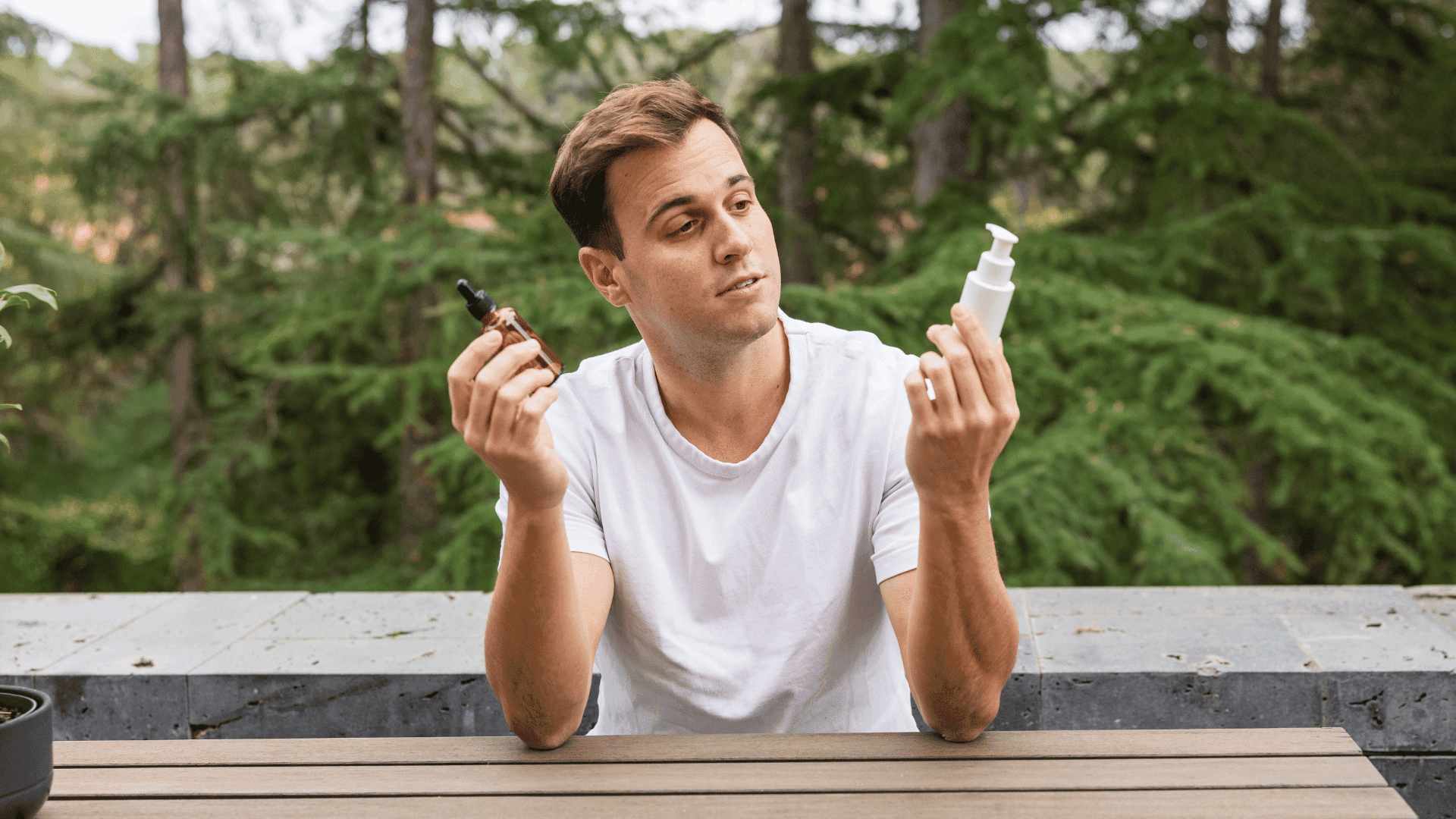
Cosmetic products—whether used for skincare, haircare, hygiene, or makeup—are among the most regulated items in our daily lives.
Thanks to strict frameworks and continuous improvements from manufacturers, consumers benefit from safe, high-performance products. Yet many controversial cosmetic ingredients continue to spark debate despite being strictly controlled and scientifically assessed.
This article clarifies why certain ingredients are controversial, how EU regulations ensure safety, and which alternatives and solutions are available to formulators seeking cleaner, more responsible formulations.
Why cosmetic ingredients are highly regulated
In Europe, cosmetic products fall under Regulation (EC) No. 1223/2009, which governs everything from formulation to market surveillance. This strict regulatory framework guarantees:
- Control of composition: ingredients must be safe, authorized, and used within defined limits.
- Manufacturing and marketing standards: companies must follow GMP (Good Manufacturing Practices).
- Consumer transparency: claims, warnings, and labeling must comply with EU law.
- Cosmetovigilance: any adverse effect must be tracked and corrective action taken.
The regulation includes several annexes listing:
- Annex II — prohibited substances
- Annex III — restricted substances
- Annex IV — permitted colorants
- Annex V — permitted preservatives
- Annex VI — permitted UV filters
These lists are continuously updated by the Scientific Committee on Consumer Safety (SCCS).
Despite this rigorous structure, public perception often lags behind science, and certain controversial cosmetic ingredients continue to raise questions.
Why are some ingredients controversial?
A “controversy” is not always based on proven scientific risk. Concerns may stem from:
- Environmental impact
- Tox concerns (endocrine disruptors, CMR substances)
- Allergenicity
- Public perception and social media trends
- Misinformation or lack of transparency
Below are the most debated families of ingredients—and the reality behind them.
Silicones: misunderstood multifunctionals
Silicones are often listed among controversial cosmetic ingredients due to environmental concerns. Yet their origin and behavior are frequently misunderstood.
✔ Origin: silicones come from silica—not petroleum.
✔ Biodegradability: they do not biodegrade under classic criteria, but they do degrade through reversion reactions in soil.
✔ Safety: their toxicological profile is well established and regulated.
✔ Use: they offer exceptional sensory benefits, stability, and performance.
Certain volatile silicones (like D4, D5, D6) are regulated due to environmental persistence, but most silicones used in cosmetics remain safe and authorized.
Preservatives: essential but debated
Preservatives prevent microbial contamination, guaranteeing product safety during manufacturing, storage, and use.
Among the controversial cosmetic ingredients, preservatives are often the most misunderstood.
Parabens
Long-chain parabens have been restricted due to suspected endocrine activity.
Short-chain parabens, however:
- are biodegradable
- have a strong safety profile
- are non-irritating
- remain among the safest preservatives available today
Ironically, attempts to replace parabens have occasionally introduced harsher molecules like MIT/MCI, known for higher allergenic potential.
Phenoxyethanol
Highly debated, yet approved up to 1% in the EU, with extensive safety data.
Microplastics: an environmental challenge
Microplastics are used as exfoliants, texturizing powders, or rheology modifiers.
They represent 0.02% of microplastics released into the environment—far less than fashion, agriculture, or tire abrasion.
Still, their restriction is part of the EU microplastics strategy. The upcoming ban will affect:
- over 100 synthetic polymers
- all intentionally added solid plastics < 5 mm
This pushes formulators to explore innovative natural alternatives (cellulose, starch derivatives, silica-based powders).
Other controversial cosmetic ingredients often mentioned
- UV filters (oxybenzone, octocrylene)
- Sulfates (SLS/SLES)
- Titanium dioxide (inhalation risk)
- PEGs
- Mineral oils
- Talc
- Aluminum salts
- BHA/BHT
- Nanoparticles
According to surveys with Safic-Alcan’s partners:
80% of manufacturers still use some of these ingredients, and 100% are actively looking for cleaner or safer alternatives.
Access Our Full Range of Alternatives
Looking to replace controversial cosmetic ingredients without compromising performance?
Protecting the consumer: the truth about “free-from” claims
“Free-from” claims have become widespread, but they often distort scientific reality.
To combat misleading communication, the DGCCRF and ANSM issued strict guidelines inspired by EU Regulation 655/2013.
❌ Not allowed:
- “Without [regulated substance]” if used to imply danger
- “Without [ingredient]” when the ingredient is already banned
- “Without allergens” (impossible to guarantee)
✔ Allowed:
- “Fragrance-free”
- “Alcohol-free”
- “Without animal-derived ingredients”
Consumers can rely on certifications such as COSMOS, ECOCERT, Natrue, though standards vary widely.
To help decode INCI lists, FEBEA created:
- the Instagram account @lelabdeclaire
- the mobile app CLAIRE, offering transparent, science-based ingredient explanation
Finding responsible alternatives: the Safic-Alcan approach
At Safic-Alcan, we advocate a balanced approach—not fear-based formulation.
We support our customers by providing:
- clean-label ingredients
- natural and biotech-derived actives
- silicone alternatives
- non-microplastic texturizers
- gentle surfactants
- modern preservative systems
- eco-designed packaging support
Our priority is clear:
safer formulations, high performance, regulatory compliance, and consumer trust.