


Rubber compounds are the backbone of countless industrial applications, typically containing 5 to 15 raw materials blended in an internal mixer or 2-roll mill.
These formulations combine elastomers, fillers, oils, plasticizers, process aids, antioxidants, and curatives — each contributing to the final mechanical, chemical, and dynamic properties of the rubber.
Yet, despite their importance, handling liquid ingredients in rubber compound manufacturing remains one of the biggest operational challenges. Leaks, spills, weighing inconsistencies, residue, and container disposal issues complicate mixing processes and create unnecessary risks.
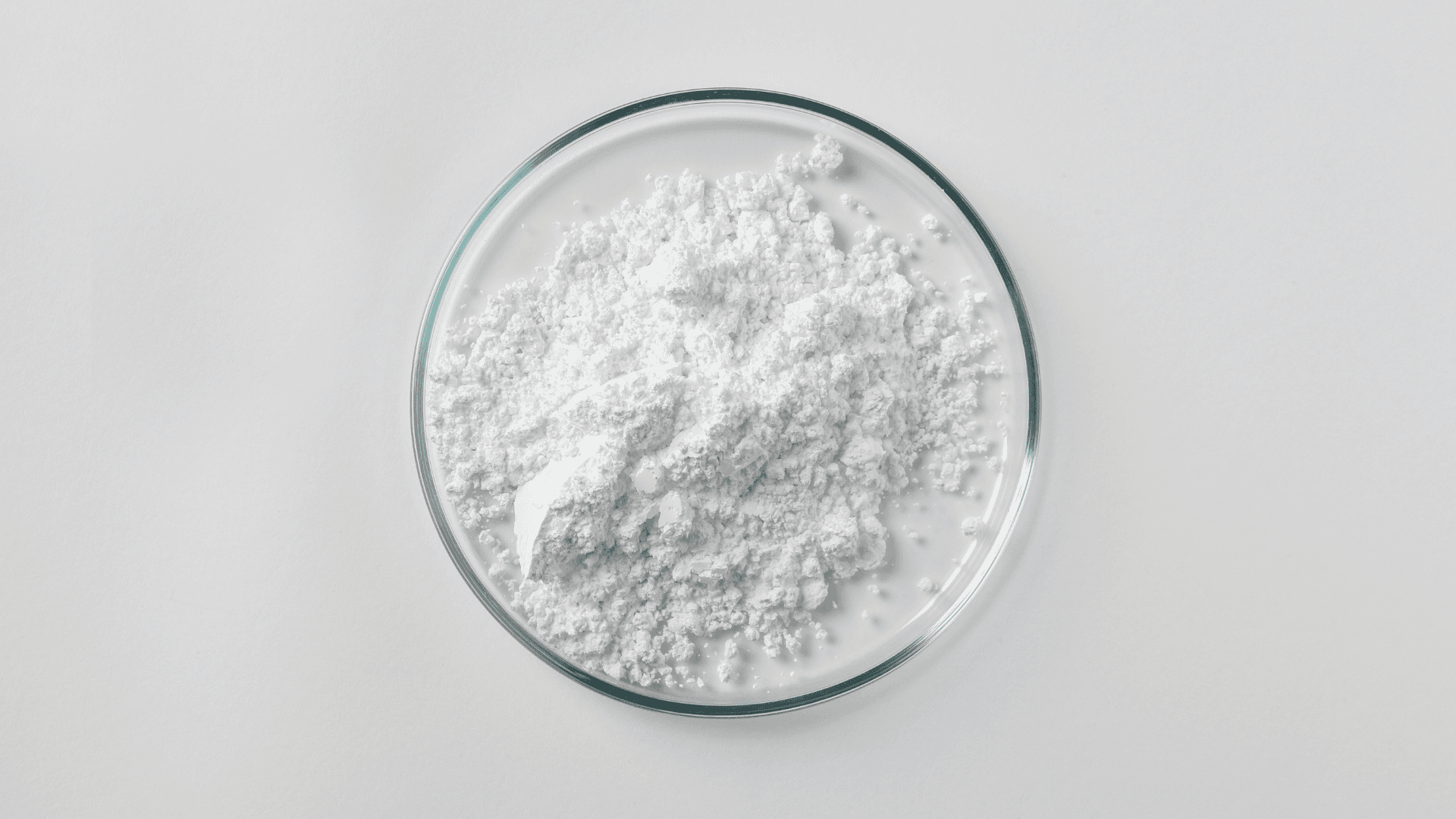
This is where dry liquids offer a transformative solution. By converting liquids into free-flowing powders, dry liquids drastically improve weighing accuracy, safety, and process cleanliness — all without compromising performance.
The Challenges of Liquid Handling in Rubber Compounds
Rubber compound manufacturing has traditionally relied on a mix of solid and liquid ingredients. While high-volume liquids can be metered automatically, small and medium-volume liquids present persistent problems:
Operational Pain Points
- Heavy drums and IBCs are difficult to move and manage
- Taps frequently leak, drip, or clog
- Residue on jugs, scoops, and funnels leads to cross-contamination
- Variable viscosities make precise weighing difficult
- Liquids with melting points near ambient temperature can solidify during handling
- Volatile liquids complicate safe storage and weighing
For compounders seeking efficiency, consistency, and cleaner operations, these liquid-handling issues create bottlenecks and safety risks.
Dry Liquids: A Game-Changing Technology for Rubber Manufacturing
What Are Dry Liquids?
Dry liquids are engineered blends where a liquid ingredient is absorbed onto a solid carrier — typically precipitated silica, known for its high absorbency, compatibility with elastomers, and cost efficiency. The result is:
- A stable, free-flowing powder
- With up to 75% liquid content
- That behaves like a standard solid rubber ingredient
Alternative carriers include calcium silicate, carbon black, or factice, depending on compound requirements.
Key Benefits of Dry Liquids in Rubber Compound Manufacturing
Dry liquids directly address the main inefficiencies of liquid handling:
✔ Enhanced weighing accuracy
Powder handling eliminates the inconsistencies linked to viscous liquids.
✔ Improved housekeeping & safety
No leaks, drips, or sticky residues.
✔ Reduced contamination risks
Powder carriers prevent cross-exposure between batches.
✔ No drum disposal problems
No empty containers to manage or recycle.
✔ Faster mixing and easier dispersion
Free-flowing powders disperse more evenly in internal mixers and open mills.
✔ Greater batch-to-batch consistency
More precise dosing guarantees formulation reproducibility.
Which Rubber Ingredients Benefit Most from Dry Liquid Technology?
Certain liquid or semi-solid ingredients are notoriously challenging to handle. Converting them into dry liquids radically simplifies processing.
1. Cyanurates & Coagents (TAC / TAIC)
Materials with melting points near room temperature quickly cause weighing difficulties. Dry liquids allow simple, clean, and accurate dosing.
2. Liquid Polymers
High-viscosity polymers like liquid NBR, polysulfide, or polybutadiene often require heating before use. Dry liquid versions eliminate this step entirely.
3. Plasticizers
For manual weighing processes, products like VULCOFAC DOS DL70 ensure cleaner incorporation — especially in open-mill mixing.
4. Methacrylate Coagents
Used at low dosages per batch, methacrylate coagents such as:
- VULCOFAC TMPTMA DL50
- VULCOFAC TMPTMA DL70
- VULCOFAC TMPTMA R DL75
are significantly easier to process in dry liquid formats.
5. Liquid Anti-Degradants & Curatives
Examples include:
- VULCOFAC ACT55, engineered to replace hazardous guanidine accelerators (DOTG alternatives)
These materials benefit enormously from reduced exposure risks and improved dosing accuracy.
SAFIC-ALCAN’s Leadership in Dry Liquid Manufacturing
A Legacy of Expertise Since 1992
SAFIC-ALCAN pioneered the conversion of liquid ingredients into dry liquid powders at its Warrington facility in the UK. With more than 30 years of specialized expertise, we now transform nearly any liquid ingredient into a stable powder form.
This capability makes SAFIC-ALCAN a European and global leader in dry liquid solutions for rubber compounds.
Our Portfolio: More Than 100 Dry Liquid Grades
Examples include:
✔ Peroxide Cure Coagents
- VULCOFAC EGDMA DL70
- VULCOFAC TMPTMA DL70
- VULCOFAC TAIC DL70
- VULCOFAC TAC DL70
✔ Silane Coupling Agents
- VULCOFAC 69 DL70
- VULCOFAC 172 DL50
- VULCOFAC 6498 DL70
✔ Antioxidants
- VULCOFAC BLW DL70
- VULCOFAC 705 DL70
✔ Safer Accelerator Alternatives
- VULCOFAC ACT55
- VULCOFAC CP3441
- VULCOFAC ZAP
✔ Bonding Agents
- VULCOFAC RRP DL
✔ Tackifiers & Resins
- VULCOFAC PLCT DL70
New dry liquid grades are developed every year in close collaboration with customers and OEMs.
Innovation & Sustainability at the Core
SAFIC-ALCAN’s innovation roadmap includes:
✔ Development of eco-friendly alternatives
Lower-impact chemicals, sustainable carriers, and safer curative systems.
✔ Full technical support
Troubleshooting, formulation adjustments, and on-site assistance.
✔ Customer training & workshops
Helping manufacturers optimize productivity with dry liquids.
This sustainable, customer-centric approach reinforces our leadership in rubber additive technology.
The Future of Rubber Manufacturing with Dry Liquids
Rubber manufacturers increasingly seek cleaner, safer, and more efficient compound production. Dry liquids are a cornerstone of this evolution, enabling:
- improved process automation
- reduced waste
- safer working conditions
- higher formulation precision
- more consistent mechanical performance
This shift reflects a broader industry movement toward operational excellence and sustainability.