


The German Rubber Conference (DKT) remains one of the most anticipated events for the rubber industry. As a premier platform for innovation, technical knowledge, and networking, DKT attracts rubber technologists, chemists, and business professionals from around the world. Understanding its rich history and evolution provides valuable insights into why it continues to shape the global rubber industry.
Introduction to DKT
DKT, or Deutsche Kautschuk Tagung, has evolved over nearly a century into a global hub for rubber innovation. From its early focus on natural rubber technology to its current status as an international conference, DKT has consistently promoted knowledge sharing, technical excellence, and collaboration across the industry.
From Natural to Synthetic Rubber

The industrial revolution spurred significant advances in rubber technology. Initially, the industry relied on harvesting natural rubber from wild sources, but growing industrial demands soon led to plantation cultivation and the development of synthetic rubbers. These innovations addressed the limitations of natural rubber, including variability in quality and performance, enabling more consistent and reliable materials for industrial applications.
Foundation of the German Rubber Society
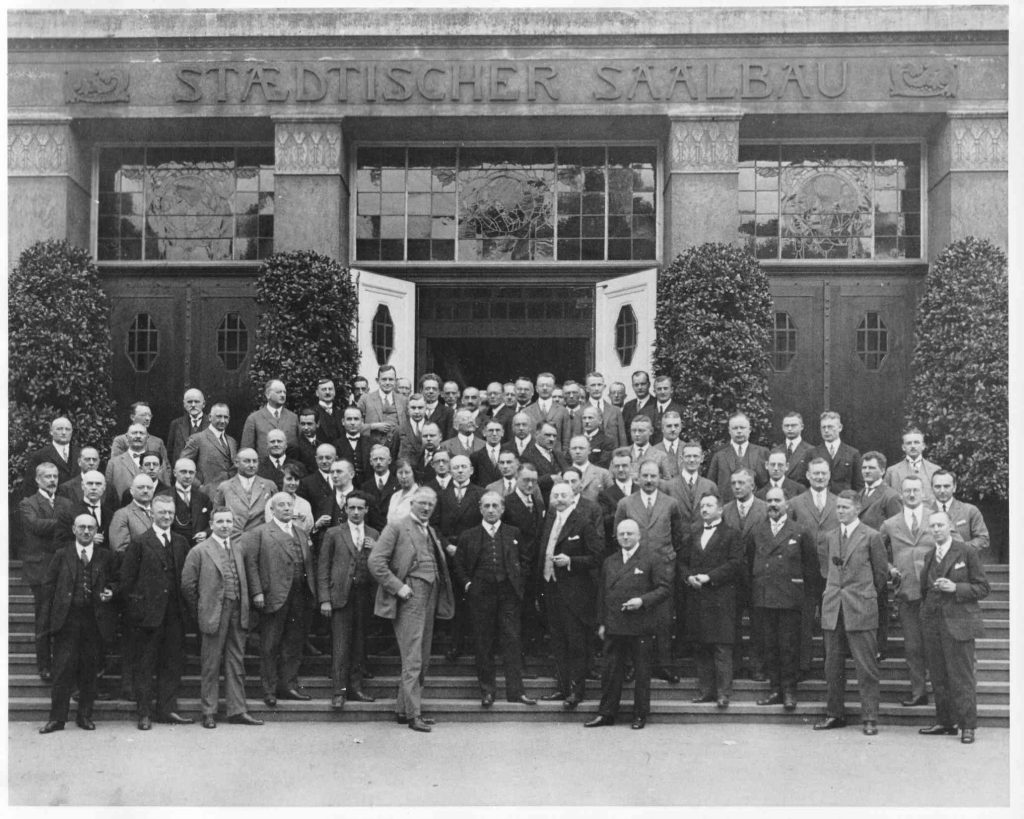
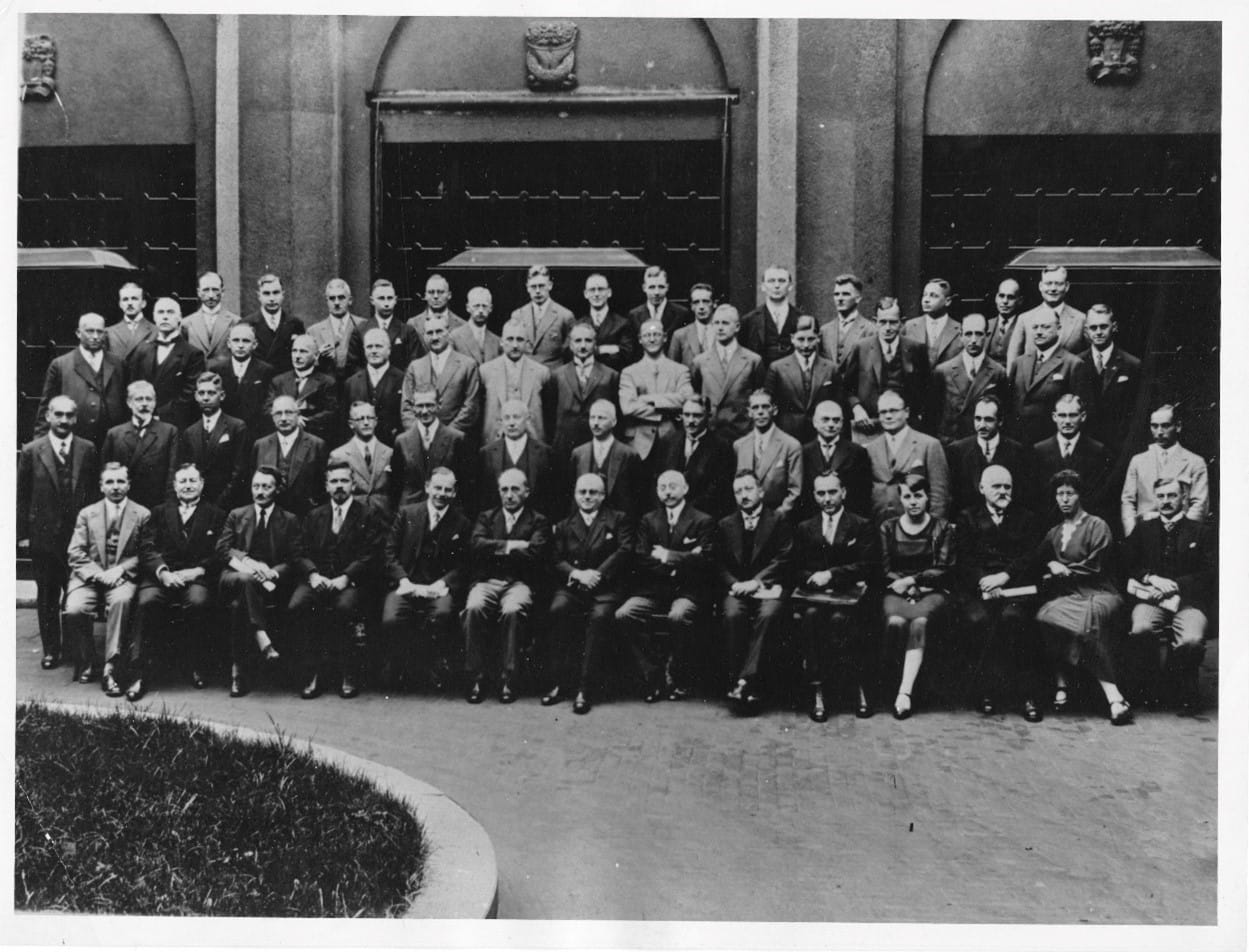
In 1926, the Deutsche Kautschuk Gesellschaft e.V. (German Rubber Society) was established with 46 participants in Frankfurt am Main. Its mission: foster collaboration, innovation, and knowledge exchange among rubber chemists. Two years later, the first official German Rubber Conference took place, marking the beginning of a tradition that would grow into a global event.
Becoming a Global Conference
Over the decades, DKT expanded its scope from technical presentations for scientists to business-focused participation. Exhibitions began in 1956, allowing companies to showcase innovations to an international audience. By 1960, the conference transformed into the International Rubber Conference (IRC), emphasizing global collaboration, technical excellence, and networking opportunities.
Since 1997, Nuremberg has hosted DKT, providing modern exhibition facilities and easy access for international attendees. Today, the conference draws over 3,000 visitors and 260 exhibitors, highlighting its role as a central platform for rubber innovation.
The Significance of DKT for Safic-Alcan
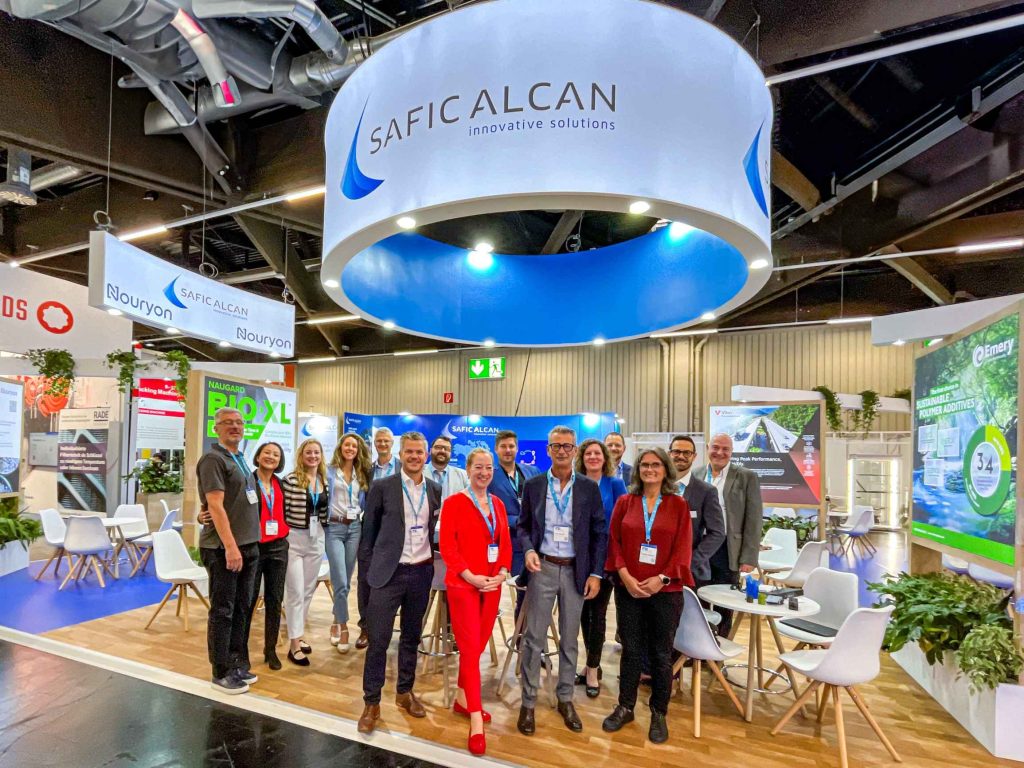
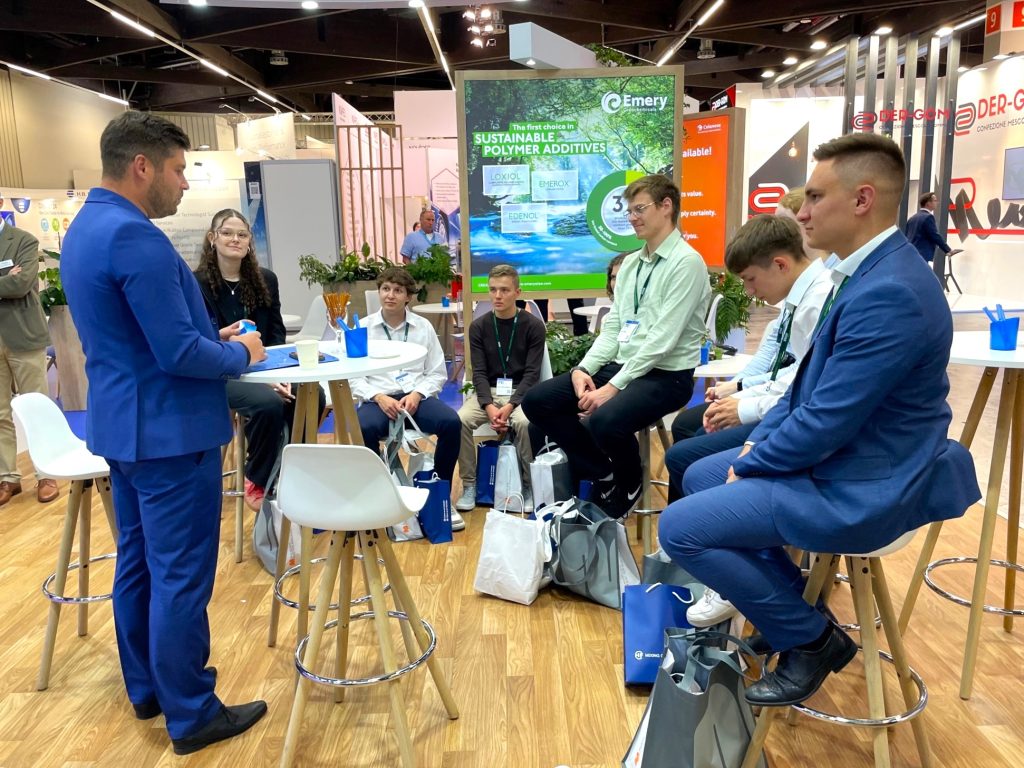
Safic-Alcan Deutschland GmbH has actively participated in DKT since 2000. The company’s trade fair stand serves as a meeting point for customers and suppliers, enabling discussions on technical advancements, product innovations, and industry trends. Events like DKT also allow Safic-Alcan to engage with young talent through recruiting initiatives, inspiring the next generation of rubber industry professionals.
Key Highlights of DKT
- Technical Presentations: Cutting-edge developments in rubber chemistry, materials, and production processes.
- Exhibitions: Showcase of the latest products, additives, and formulations.
- Networking Opportunities: Global collaboration between industry leaders, innovators, and business professionals.
- Educational Initiatives: Recruiting Days and student engagement programs to foster new talent.
This combination of technical, business, and educational opportunities makes DKT a vital event for staying at the forefront of rubber innovation.
The Future of DKT
With each iteration, DKT continues to evolve, integrating global expertise, emerging technologies, and sustainable innovations. Safic-Alcan participated in the most recent DKT with over 40 team members from 15 countries, alongside co-exhibitors Celanese, Imerys, and Nouryon, demonstrating the conference’s international significance.
The conference remains a key platform for innovation, collaboration, and growth, shaping the future of the rubber industry and reinforcing the importance of global partnerships.
Conclusion
From its humble beginnings as a national meeting for rubber chemists to its current status as a global hub for innovation, DKT exemplifies the evolution of the rubber industry. For professionals, researchers, and companies alike, it offers unparalleled opportunities to exchange knowledge, explore innovations, and build meaningful connections.
We look forward to the next DKT in 2027, continuing the tradition of shaping the future of rubber technology.