


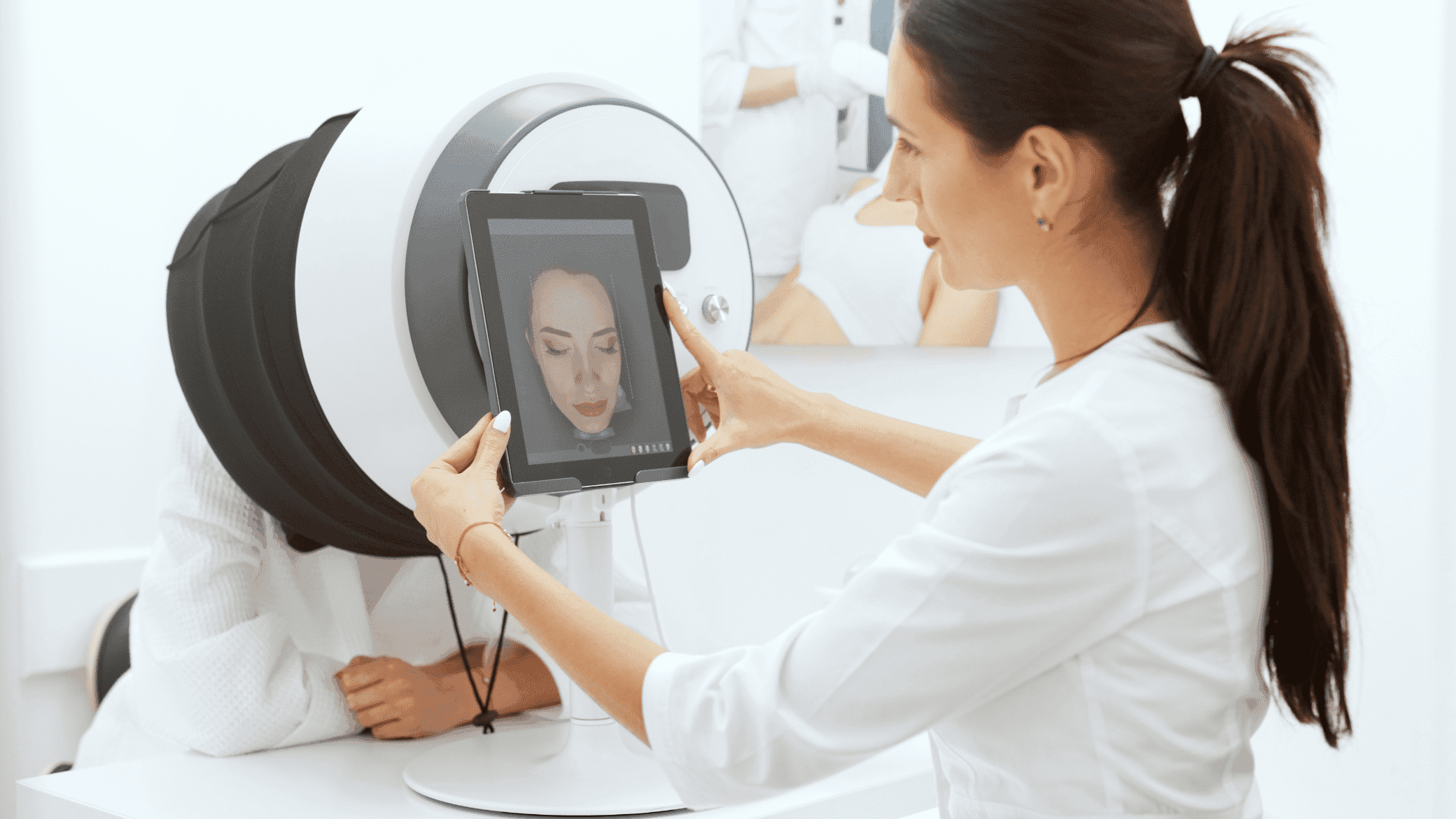
The beauty industry is undergoing a profound transformation driven by technology, data and scientific innovation. What was once a sector centred on aesthetics and routine is becoming a technology-enabled ecosystem where personalization, performance and sustainability converge.
Beauty tech now reshapes how products are designed, tested, manufactured and experienced. From artificial intelligence–driven diagnostics to smart beauty devices and advanced manufacturing technologies, innovation is redefining the relationship between consumers, brands and formulations.
Beauty Tech: Where Science Meets Personalisation
Beauty tech refers to the integration of digital technologies, scientific research and consumer data to enhance cosmetic performance and user experience. Rather than replacing traditional beauty expertise, technology augments it—allowing brands to better understand skin, hair and personal care needs at an individual level.
AI-powered analysis, connected devices and data platforms enable brands to deliver personalised recommendations based on parameters such as skin tone, hydration, elasticity, environment and lifestyle. This shift transforms beauty routines into data-informed, adaptive experiences rather than static product use.
Digital Beauty and the Rise of E-Beauty Experiences
The acceleration of e-beauty has fundamentally changed how consumers discover and engage with beauty products. Augmented reality (AR) and artificial intelligence allow users to test makeup shades, textures and finishes virtually, reducing barriers to exploration while increasing confidence in purchasing decisions.
AI-driven beauty platforms analyse facial features and skin condition to deliver tailored product guidance. These tools support inclusivity by representing diverse skin tones and needs while reducing waste linked to physical sampling and packaging.
For brands, digital beauty ecosystems enable closer relationships with consumers, improved education and more precise product matching—key advantages in an increasingly competitive market.
Smart Beauty Devices and Connected Skincare
Smart beauty devices are among the most visible expressions of beauty tech innovation. Cleansing tools, facial massagers, LED light therapy devices and microcurrent systems bring professional-grade treatments into the home.
These devices combine hardware, sensors and formulation science to optimise performance. Microcurrents stimulate muscle tone, LED technologies support collagen synthesis and inflammation control, while sonic or thermal technologies enhance the penetration of active ingredients.
Crucially, formulations used with smart devices must be designed to ensure safety, compatibility and consistent performance—highlighting the importance of ingredient selection and material science in beauty tech development.
Artificial Intelligence as a Core Driver of Beauty Innovation
Artificial intelligence is now embedded across the beauty value chain. In R&D, AI supports virtual formulation modelling, stability prediction and ingredient interaction analysis, significantly accelerating development timelines while reducing waste.
In consumer-facing applications, AI-powered diagnostics track skin evolution over time and adapt recommendations dynamically. These technologies shift beauty from reactive care to proactive, preventive routines.
Major industry players such as L’Oréal have invested heavily in AI platforms that combine dermatological data with consumer insights, illustrating how technology strengthens both scientific credibility and user trust.
3D Printing and Advanced Manufacturing in Beauty
Once considered experimental, 3D printing is increasingly applied within the beauty industry for packaging, applicators and functional components. The technology allows precise control over shape, texture and material usage, supporting customization and reduced waste.
Beyond packaging, research is exploring 3D-printed cosmetic structures, skin patches and delivery systems that enable controlled release of active ingredients. Advances in bio-based polymers, hydrogels and elastomers open new possibilities for sustainable and functional beauty design.
Suppliers and material specialists play a key role in this evolution by developing heat-resistant, flexible and printable materials adapted to cosmetic applications.
Sustainability, Inclusivity and Technology Integration
Technology does more than enhance performance—it supports sustainability and inclusivity goals. Virtual testing reduces physical waste, predictive analytics optimise supply chains, and data-driven formulation improves resource efficiency.
AI and connected tools also help ensure broader representation across skin tones, ages and cultural beauty standards. By combining technology with responsible design, beauty brands can align innovation with ethical and environmental expectations.
The Future of Beauty: A Connected, Intelligent Ecosystem
The future of beauty lies in integration. AI, smart devices, advanced materials and digital platforms are converging to create a connected ecosystem where science, creativity and sustainability reinforce each other.
For formulators, brands and suppliers, beauty tech represents an opportunity to move beyond product-centric thinking toward holistic solutions that adapt to consumers and environments in real time.
At Safic-Alcan, we support this transformation by working with partners developing next-generation ingredients and materials designed for beauty tech applications. By connecting formulation science, digital innovation and sustainability, we help enable smarter, more efficient and future-ready beauty solutions.
The beauty industry is no longer simply adopting technology—it is being redefined by it.