


GLP-1 agonists did something no supplement brand planned for: they made weight management a medical conversation, not a lifestyle one.
Ozempic and its cousins didn't just change the patient journey. They changed the consumer brief. Weight management brands are now working in two parallel markets: consumers on a GLP-1 who need complementary support, and consumers deliberately not on one who want ingredients that actually earn the category name.
The common denominator in both markets is the same problem, repackaged: lean mass preservation, visceral fat reduction, metabolic health. A 2024 meta-analysis of 22 GLP-1RA trials found that lean mass loss accounted for approximately 25% of total weight lost on these drugs, with semaglutide 2.4 mg weekly among the least effective at preserving lean mass. Individual trials have reported the lean-mass fraction of total weight loss as high as 40–45%. The scale isn't the point anymore. Body composition is.
That's the ingredient brief for 2026.
Why most weight management ingredients aren't built for it
The category's historical toolkit — glucomannan, green tea extract, Garcinia, chromium — does not answer the body-composition question in a clinically defensible way. Most of this literature is thin, old, or measures the wrong outcome. A 12-week study showing "reduced body weight" against placebo is not the same as a study showing reduced visceral fat over six months with liver safety monitored.
Brand owners formulating for 2026 need ingredients with:
- Randomised, placebo-controlled clinical data
- Duration long enough to matter (3–6 months)
- Body composition endpoints, not just scale weight
- Fat mass and fat distribution data, not just BMI
- Safety markers, especially liver
Very few weight management ingredients clear all five. Morosil® is one of them.
What the Morosil® data actually says
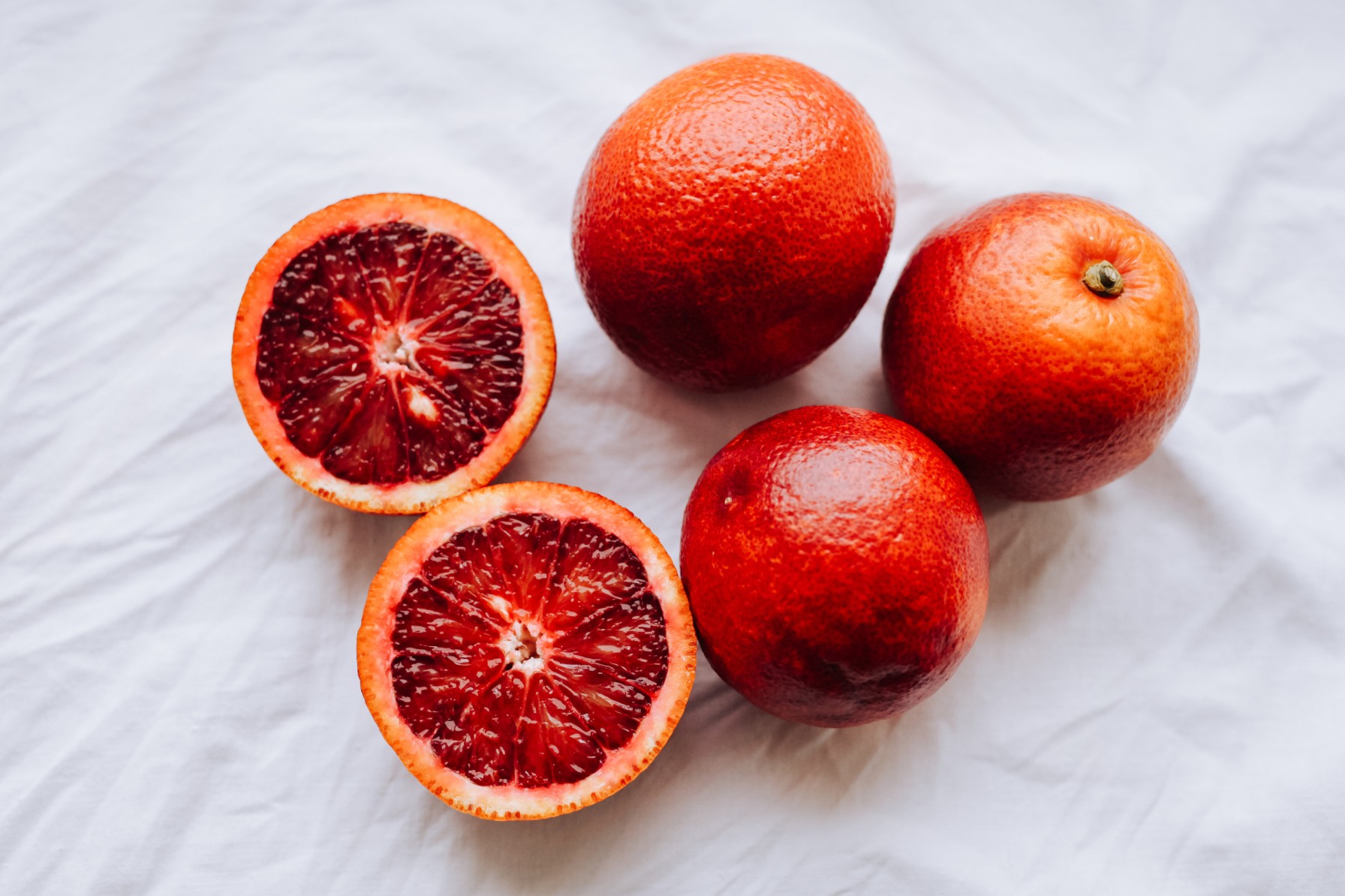
Morosil® is a standardised extract from a specific cultivar of Sicilian Moro red oranges (Citrus sinensis L. Osbeck), produced by Bionap in the volcanic soils around Mt. Etna. The active phytocomplex is a defined pool of anthocyanins (primarily cyanidin 3-O-glucoside), hydroxycinnamic acids, flavanones and ascorbic acid — standardised batch-to-batch.
The dose is consistent across the published clinical work: 400 mg/day. Two randomised placebo-controlled trials underpin the evidence base.
Cardile et al. 2015 — 12 weeks, Natural Product Research
The first human trial, published in Natural Product Research, supplemented 60 overweight adults with 400 mg/day of Morosil® or placebo for 12 weeks. The active group showed significant reduction in BMI after just 4 weeks, with body weight, BMI, waist circumference and hip circumference all significantly different from placebo by the end of the study (p < 0.05).
Briskey et al. 2022 — 6 months, Nutrients
The 2022 study extended the evidence base to 6 months with an RCT in Nutrients. Overweight but otherwise healthy adults aged 20–65 received 400 mg/day of Morosil® or placebo alongside a calorie-controlled diet and exercise. Results at 6 months, Morosil® vs placebo:
- Body mass reduction: 4.2% vs 2.2% (p = 0.015) — roughly 1.9-times greater loss.
- BMI: significantly greater reduction (p = 0.019).
- Waist circumference: −3.9 cm vs −1.7 cm (p = 0.017).
- Hip circumference: −3.4 cm vs −2.0 cm (p = 0.049).
- Fat mass: significant reduction (p = 0.012).
- Visceral and subcutaneous fat distribution: significantly improved (p = 0.018 and p = 0.006 respectively).
- Liver safety: all markers within normal range at 3 and 6 months in both groups.
The mechanism proposed by the authors is regulation of lipid metabolism through fatty acid biosynthesis and oxidation pathways, mediated by the anthocyanin and biophenol pool — not stimulant action, not appetite suppression, not fibre bulking.
A 2025 systematic review of Moro orange extract trials assigned Briskey 2022 a low risk of bias across all GRADE domains, while noting the evidence overall as low to very low certainty given the small number of trials — important context for any brand owner evaluating the literature.
NutraIngredients-USA named Morosil® Weight Management Ingredient of the Year.
Why this maps to the GLP-1-era brief
A weight management ingredient that produces fat-specific body composition improvements — rather than generic scale-weight reduction — is exactly the complementary story a brand owner building GLP-1-adjacent products wants to tell. The Briskey 2022 data demonstrates significant reductions in fat mass, visceral fat and subcutaneous fat alongside waist and hip circumference. For consumers concerned about body composition while on or off a GLP-1, that's the clinical anchor the category has been missing.
Morosil® lands cleanly in both positions.
Formulation notes
Morosil® is a standardised powder extract, suitable for:
- Capsules and tablets (most clinical data)
- Sticks and sachets
- Functional beverages and shots
- Gummies
For combination formulations targeting metabolic longevity, pair with AvailOm® High EPA for cardiovascular and inflammation endpoints, or with targeted probiotics for the gut-metabolic axis. High-quality plant protein in the same stack addresses the lean-mass preservation concern that sits alongside fat reduction.
Meet us in Barcelona
Safic-Alcan distributes Morosil® across Europe. The Bionap clinical portfolio, formulation starter formulas, and complementary weight-management ingredients (plant proteins for satiety, peptides for muscle preservation) will be on our stand at Vitafoods Europe 2026.
Vitafoods added Weight Management as a new Innovation Award category this year. It's not a coincidence.
→ 5–7 May 2026 · Fira Barcelona Gran Via · Booth 3B143
Interested?
Request a sample, a TDS or a quote today!