


At Safic-Alcan, our ambition is to lead responsibly within the specialty chemicals industry by offering innovative solutions while strengthening sustainability across the entire value chain.
As a distributor, we act as the durable link between suppliers, customers, and partners—ensuring that environmental and social responsibility are integrated into every level of our work.
Sustainable development has been a strategic priority for Safic-Alcan for many years. Our ESG strategy is built around five pillars that guide how we innovate, collaborate, and operate with responsibility. One of these pillars focuses on reducing the environmental footprint across our value chain. In 2023, this commitment materialized through the launch of our Group Climate Strategy, aligned with the goals of the Paris Agreement and the European Union’s climate ambition.
Working Toward Net Zero Emissions
The EU aims to reach net zero emissions by 2050, meaning the amount of carbon dioxide emitted must equal the amount removed from the atmosphere. After reducing emissions as much as possible, two key levers contribute to achieving net zero:
- Carbon sinks, such as forests and oceans, which naturally absorb CO₂
- Carbon offsetting, which finances projects that avoid or reduce emissions
Because natural carbon sinks alone are insufficient, high-quality offsetting projects remain essential until low-emission solutions become more widely available.
Our climate strategy is deployed globally, but each Safic-Alcan entity contributes through local initiatives tailored to their challenges. Safic-Alcan Nordic, for example, has prioritized emissions reduction in transportation, one of its most significant environmental hotspots.
Safic-Alcan Nordic: Reducing Emissions Where It Matters Most
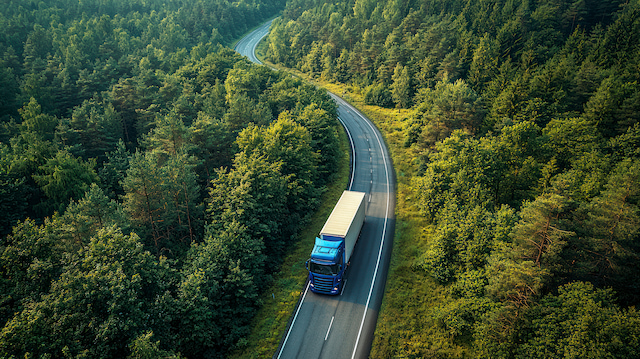
In Sweden, transportation represents a major contributor to national CO₂ emissions. In 2022 alone, light and heavy trucks emitted around 4.13 million tons of CO₂e. Given that Safic-Alcan Nordic relies heavily on trucking to move products to and from its warehouse, reducing the environmental impact of these transports has become a key priority.
We spoke with Veena Lindén, Quality and Sustainability Coordinator at Safic-Alcan Nordic, to better understand the concrete actions underway.
Lowering GHG Emissions Across Scopes 1, 2, and 3
Safic-Alcan Nordic has already initiated several measures to reduce its greenhouse gas emissions:
Scope 1 & Scope 2 Reductions
- The office building in Sweden is powered by solar panels, reducing electricity-related emissions.
- The company car fleet has shifted progressively from diesel to hybrid vehicles, and today approximately 40% are hybrids, with the remaining 60% fully electric.
- The next milestone: achieving a 100% electric vehicle fleet.
Scope 3 Emissions: A Distributor’s Main Challenge
As a distributor, our largest emissions stem from transport and logistics. To optimize transport efficiency and reduce emissions, Safic-Alcan Nordic:
- Consolidates shipments through strategically located European hubs, reducing unnecessary transport mileage
- Optimizes pallet loading and volume per shipment
- Encourages suppliers and warehouses to maximize packaging efficiency
- Continuously evaluates transport partners based on sustainability criteria
To go one step further, Safic-Alcan Nordic is now introducing carbon-offsetting solutions for transport within Sweden.
Carbon Offsetting for Transportation: What Does It Mean?
Because long-distance low-emission transport options are still limited, carbon offsetting provides a meaningful interim solution. Safic-Alcan Nordic has strengthened its collaboration with a transport partner in Sweden, ensuring that all domestic transports are climate-compensated.
This is achieved through a partnership with Atmosfair, a globally recognized actor developing Clean Development Mechanism (CDM)–certified carbon reduction projects. CDM certification ensures that:
- The project reduces emissions that would not have been reduced otherwise
- The methodology is internationally validated
- The impact is real, measurable, and traceable
Funds generated through offsetting help support projects such as:
- Replacing oil-powered energy systems in African villages with solar energy
- Deploying biogas solutions for households in developing countries to prevent deforestation
- Supporting renewable energy transitions in vulnerable regions
This ensures that Safic-Alcan Nordic’s transport-linked emissions are net zero, while advancing climate projects with measurable global benefits.
Challenges of Transitioning to Lower-Emission Transport
The logistics sector continues to face strong post-COVID constraints. Not all transport partners can offer low-emission solutions at competitive cost or reliable capacity. When suitable low-carbon options are unavailable, Safic-Alcan Nordic prioritizes carbon compensation until more sustainable routes become accessible.
The long-term objective remains clear: gradually transition toward fully fossil-free transport, enabled by evolving technology and stronger market adoption.
Looking Ahead
Reducing emissions is a continuous journey that requires both innovation and collaboration. Safic-Alcan Nordic’s initiatives demonstrate how local action supports the broader Safic-Alcan Climate Strategy and ESG commitments.
If you would like to learn more about our ESG actions, climate initiatives, and sustainability roadmap, we invite you to visit our website.