


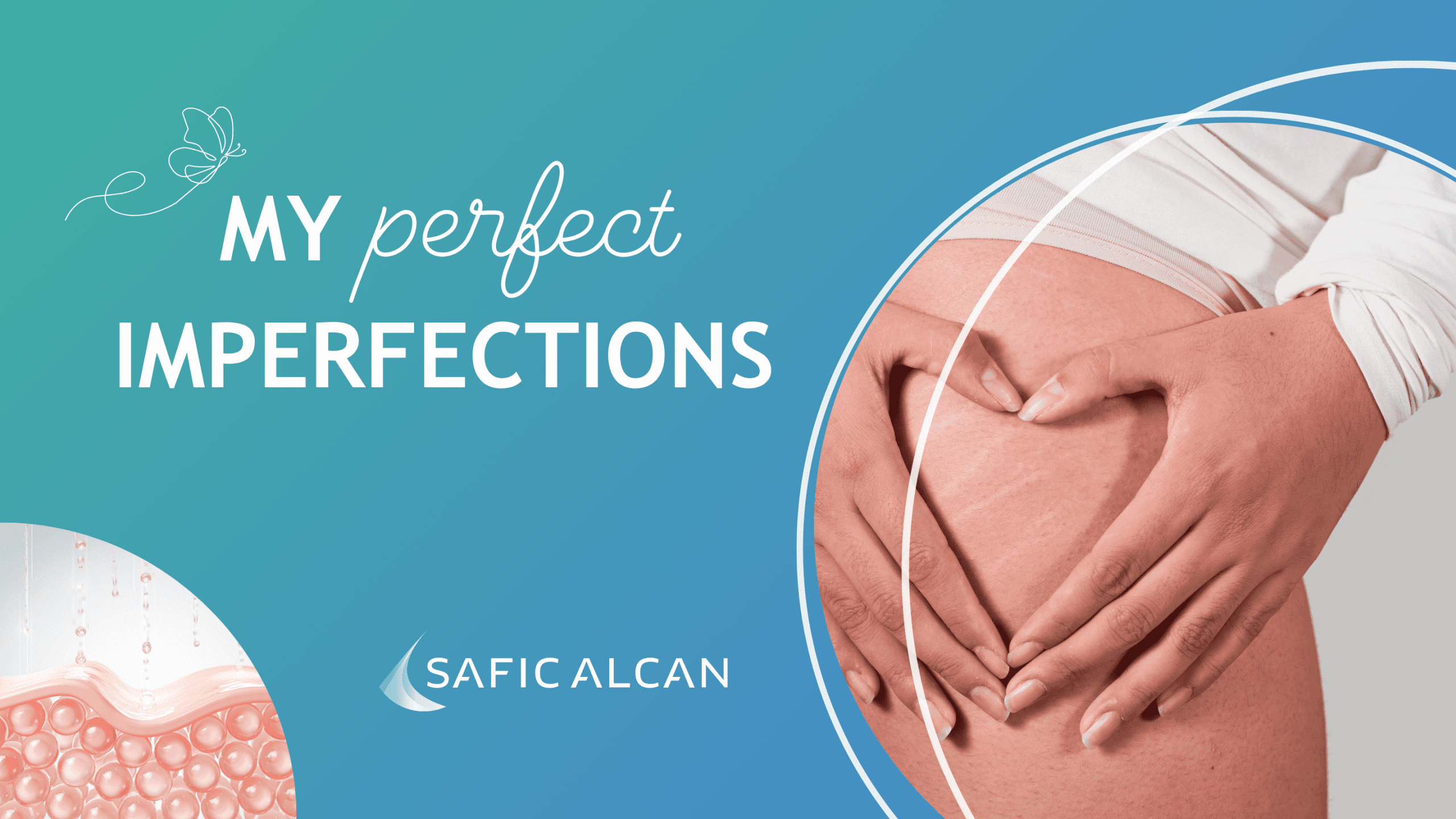
Cellulite is a common cosmetic concern, affecting up to 90% of post-pubertal women. It appears as dimples, lumps or depressions on the skin — most commonly on the thighs, buttocks, hips and abdomen — and is often described as having an “orange peel” or “cottage cheese” appearance.
While cellulite is not a medical condition, its visible texture results from complex interactions between the skin, subcutaneous fat and connective tissue, making it a major focus in the personal care market.
A growing market driven by science and self-confidence
As awareness around body positivity, wellness and skin health increases, consumers are actively seeking effective solutions to improve the appearance of cellulite. Demand is particularly strong in Europe and North America, where smooth, firm skin remains an important beauty expectation.
According to market research, the global anti-cellulite market was valued at approximately USD 1.68 billion in 2021 and is expected to reach USD 2.52 billion by 2027, growing at a CAGR of 6.9% between 2022 and 2027.
This growth is driven by lifestyle factors such as sedentary behavior, aging and hormonal fluctuations, all of which contribute to cellulite formation. In response, cosmetic brands are developing advanced active ingredients that target fat deposits, enhance skin elasticity and stimulate microcirculation. At the same time, consumer demand for natural, organic and sustainable formulations continues to shape innovation.
Understanding the science behind cellulite
Cellulite formation is a multifactorial process involving several physiological mechanisms. By addressing these mechanisms, cosmetic formulations can deliver visible improvements and boost skin confidence.
1. Adipose tissue and fat lobules
Cellulite originates in the hypodermis, the deepest layer of the skin, where adipose tissue stores fat in lobules. These lobules are separated by fibrous connective tissue septa. When adipocytes (fat cells) enlarge due to factors such as diet, genetics or hormones, they increase internal pressure within the tissue, contributing to surface irregularities.
2. Fibrous septae and skin tethering
Connective tissue septae are collagen-rich fibers that anchor the skin to deeper structures. In women, these septae are arranged vertically rather than in a crisscross pattern, making the skin more prone to dimpling. As fat cells expand upward and septae remain tight, the skin surface becomes uneven, creating the characteristic appearance of cellulite.
3. Microcirculation and lymphatic drainage
Impaired microcirculation reduces oxygen supply to the skin and underlying tissues, leading to the accumulation of metabolic waste. Poor lymphatic drainage causes fluid retention, further worsening cellulite visibility. Over time, these conditions promote fibrosis, making connective tissue stiffer and less flexible.
4. Hormonal influence
Estrogen plays a central role in cellulite development. It influences fat storage patterns and weakens collagen fibers within connective tissue. Hormonal changes during puberty, pregnancy and menopause often coincide with the onset or progression of cellulite.
5. Genetic and lifestyle factors
Genetics affect skin structure, fat distribution and metabolic efficiency, influencing cellulite susceptibility. Lifestyle factors — including diet, physical activity and stress — also play a major role. High-fat or high-sugar diets and sedentary habits promote fat cell enlargement and reduce muscular support of the skin.
6. Aging and skin elasticity
With age, collagen and elastin production declines, resulting in thinner, less elastic skin. This makes underlying fat lobules and fibrous septae more visible, accentuating cellulite. Aging also slows the metabolic activity of adipocytes and fibroblasts, further contributing to the condition.
Be inspired by Safic-Alcan’s anti-cellulite solutions
At Safic-Alcan, we offer a carefully curated portfolio of high-performance active ingredients designed to address the multiple mechanisms involved in cellulite formation. Our solutions combine efficacy, innovation and sustainability to support next-generation body care formulations.
Here are five standout ingredients from our range:
- SymFit™ 1617
A fast-acting, 3-in-1 anti-cellulite active delivering visible results in as little as four weeks. It smooths skin, reduces the appearance of cellulite and provides long-term protective benefits. - ShapePerfection
Based on a purified extract of organic mustard sprouts combined with natural capsaicin, this powerful liposoluble active reshapes body contours and reduces visible cellulite. Ideal for slimming oils and massage products. - Sveltam™
An Ecocert-approved slimming active that stimulates lipolysis while inhibiting lipogenesis. Its versatility makes it suitable for body care, toning lotions and eye contour applications. - MARINWORT IPC-11 AGL
An astringent and slimming ingredient that enhances lipase activity, promoting effective fat breakdown and skin tightening. - NEEM LEAF LIQUID B
A multifunctional natural ingredient offering anti-stress, anti-inflammatory, slimming and anti-aging benefits. It improves skin texture, protects against UV-induced damage and helps reduce wrinkles and lines.
Create high-performance anti-cellulite formulations
Explore Safic-Alcan’s extensive range of innovative cosmetic ingredients through our online product picker and unleash your creativity in developing effective, science-backed anti-cellulite solutions.