


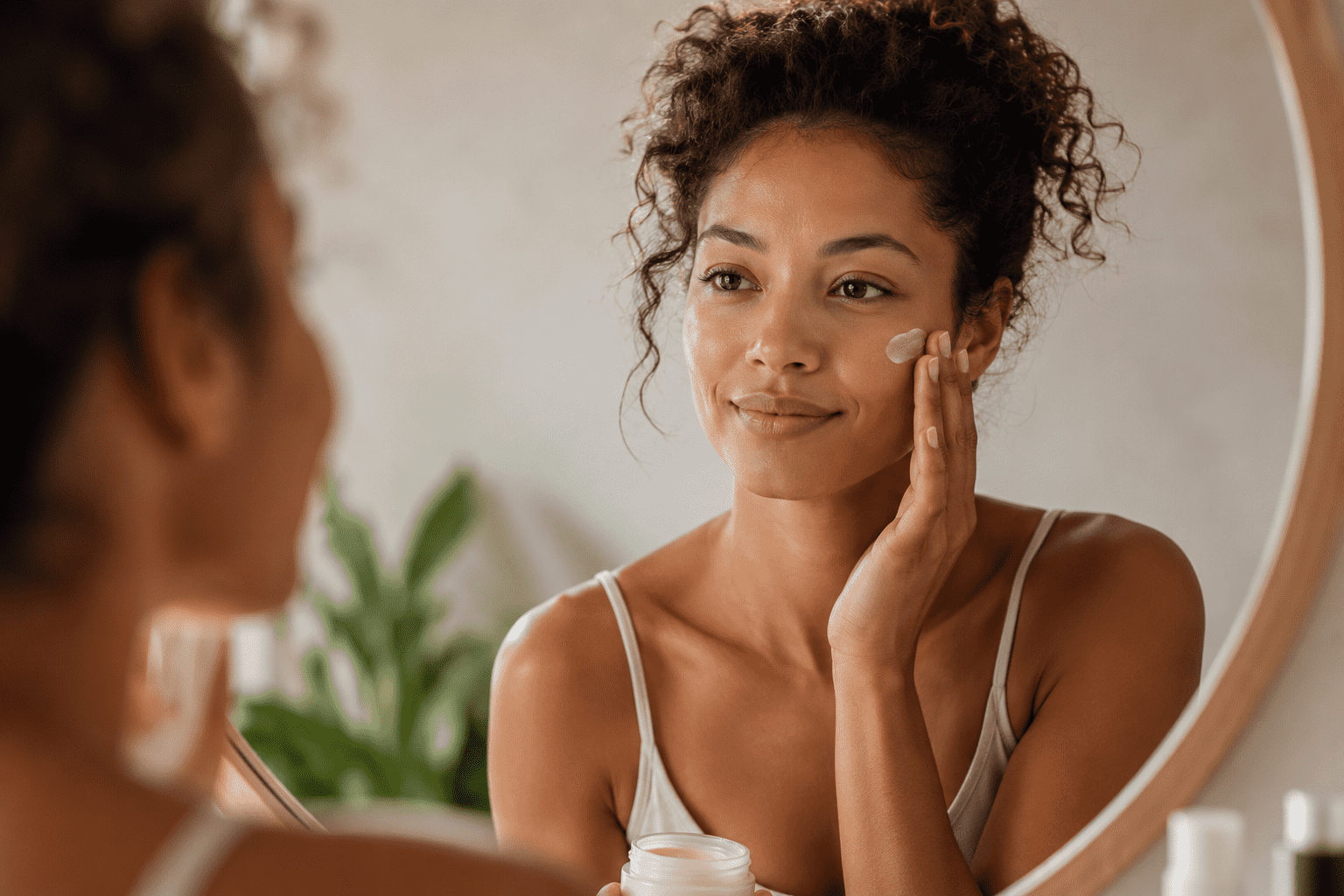
Colour cosmetics live or die by sensory experience. A foundation can deliver flawless coverage on paper and still fail commercially if it drags on application, feels heavy two hours after wear, or leaves an unpleasant greasy film. This is why sensory modifiers have become one of the most technically demanding ingredient categories in personal care formulation: they are the lever through which formulators translate raw material chemistry into the tactile, visual, and aesthetic experience consumers actually perceive. In colour cosmetics specifically, where the interaction between pigments, binders, film-formers, and skin is uniquely complex, the choice of sensory modifier shapes not just how a product feels but how well it performs functionally, how stable it remains under wear conditions, and what regulatory and market claims the finished formulation can legitimately support.
This guide covers the main categories of sensory modifier used in colour cosmetic formulation, the mechanisms behind their sensory aspects and functional effects, and the formulation considerations that determine how each ingredient type should be used — including the growing role of biobased, vegan, and EU-compliant alternatives in modern personal care formulations.
Do you need support?
Please reach out to us if you need support for your cosmetics formulations
What Sensory Modifiers Do
A sensory modifier is any cosmetic ingredient whose primary function is to improve or adjust the tactile, aesthetic, or perceptual properties of a formulation. In practice, the line between sensory modifier and functional additive is not sharp: a silicone crosspolymer that enhances skin feel also provides viscosity boosting and stabilizes an emulsion; a powder that imparts a velvety dry feel also controls sebum and improves pigment adhesion. What defines the sensory modifier category is the primacy of perceptual performance as a design criterion.
Research has established that consumer evaluation of cosmetic care products involves multiple sequential stages: initial visual assessment, in-hand texture perception before application, the dynamic feel of spreading and blending on rub, and the after-feel once the product has set. A comprehensive review published in the Journal of Cosmetic Dermatology demonstrated that skin feel has become a key aesthetic parameter alongside performance, with consumers selecting products based on a more complete sensory experience that includes texture, visual aesthetics, and tactile effects on application. In colour cosmetics, this multi-stage sensory journey is complicated further by pigment loads, which increase thickness and viscosity, reduce spreadability, and can significantly alter the skin feel of a base formulation if not compensated for by appropriate sensory ingredients.
The main sensory outcomes that modifiers are designed to deliver include: a silky or velvety skin feel on application, a dry and non-tacky after-touch, enhanced spreadability and lubricity on rub, improved pigment blending and payoff intensity, optical effects such as soft blur or luminosity, and viscosity control that maintains aesthetics through the product's use life.
Silicone-Based Sensory Modifiers
Silicone chemistry has dominated sensory modifier technology in personal care formulations for several decades. No other ingredient class delivers such a consistent combination of silky skin feel, low surface tension, chemical inertness, electrolyte tolerance, and compatibility with the wide range of pigments and film-formers used in colour cosmetics. Silicones enhance the spread and blend of foundations, lipsticks, eye products, and powder formulations while also acting as emollient, viscosity modifier, and emulsion stabilizer depending on the molecular architecture selected.
Within the silicone family, three sub-categories are particularly relevant to colour cosmetics. Linear dimethicones, polydimethylsiloxane fluids of varying viscosity, function as emollients and lubricity agents, reducing friction between the formulation and skin during application and rub. A sensory study comparing eight liquid emollients found that silicones were clearly differentiated in trained panel evaluations, showing lower stickiness, higher slipperiness, and a distinct residue profile compared to ester or hydrocarbon emollients. These properties are especially valuable in colour cosmetics where long wear is a key claim, as the non-tacky skin feel associated with silicones helps prevent pigment migration and improves wear durability.
Volatile silicone fluids, cyclopentasiloxane and related cyclic compounds, evaporate after application, contributing to a fast drying, lightweight after-feel and accelerating the setting of pigmented films on skin. Their use in colour cosmetics has faced increasing regulatory pressure in the EU: cyclic siloxanes D4, D5, and D6 are subject to restriction under EU REACH regulation, which has driven significant formulation innovation toward compliant, irradiation-free, and TSE-free alternatives.
Silicone crosspolymers, also described as silicone elastomers, represent the most formulation-relevant subcategory for colour cosmetics. These crosslinked dimethicone networks, typically supplied as gels swollen in a silicone fluid, deliver a uniquely velvety and soft sensory profile that linear silicone fluids cannot replicate. The crosslinked polymer network gives the material a soft, slightly bouncy texture that translates on skin as a powdery, non-greasy feel — the closest synthetic equivalent to a powder-in-emulsion sensory profile. In a review of silicone crosspolymer technology, silicone crosspolymers were shown to provide non-greasy, light silky skin feel while simultaneously functioning as thickening agents and stabilizing agents for lipophilic actives including sunscreen filters and vitamins. The INCI nomenclature for this class typically includes "Crosspolymer" as a suffix, as in Dimethicone/Vinyl Dimethicone Crosspolymer.
Starch-Based Sensory Modifiers
Starch and its derivatives have become one of the most dynamically developing sensory modifier categories in personal care, driven by the convergence of three market forces: the push for biobased ingredient portfolios, the demand for animal products-free and TSE-free raw materials, and the requirement for EU-compliant additives that avoid the regulatory constraints affecting certain synthetic polymers and volatile silicones.
Native starch, derived from corn, potato, tapioca, or rice — offers inherent spreadability, a soft feel on rub, and a natural mattifying effect through its ability to absorb sebum and moisture. However, native starch presents limitations in cosmetic formulations: poor thermal stability, limited electrolyte tolerance, and inadequate water dispersion consistency make it difficult to incorporate into emulsion and gel systems without modification. Chemical modification, primarily through hydroxypropylation, addresses these shortcomings directly.
Hydroxypropyl starch (INCI: Hydroxypropyl Starch) is produced by reacting native starch with propylene oxide, introducing hydroxypropyl substituents along the polymer backbone. This modification improves cold-water solubility, enhances thermal stability, reduces retrogradation (the tendency of native starch to recrystallize and lose texture over time), and significantly improves the ingredient's performance as a sensory additive in aqueous and emulsion systems. The resulting ingredient delivers excellent water dispersion, foam stability in cleansing applications, and a distinctive skin feel characterized by a smooth, non-tacky after-feel on application and rub that is often described as powdery or silky without the synthetic character of dimethicone.
In colour cosmetics, hydroxypropyl starch functions primarily as a sensory additive in facial formulations such as cushion foundations, tinted moisturizers, and BB creams, where it enhances spreadability, contributes to a luxurious soft feel during blending, and helps control the greasy residue associated with high oil-phase emolliency. Its substantive film-forming character on skin contributes a barrier effect that can improve the wear of facial colour products, and its biobased origin makes it a versatile tool for formulators building EU-compliant, animal products-free formulations. Starch-derived sensory modifiers are irradiation-free and TSE-free by nature, two claims increasingly required by EU-market brand specifications that align with the relevant EU directive framework for cosmetic ingredient safety documentation.
The emolliency profile of hydroxypropyl starch is complementary rather than competitive with silicone-based modifiers: starch contributes a more matte, powdery skin feel while silicones contribute glide and lubricity, and the two ingredient classes are commonly used in combination to balance the sensory experience across the full application-to-wear arc of a colour cosmetic formulation.
Powder Sensory Modifiers
Powder ingredients constitute the second major class of sensory modifier in colour cosmetics, and in pressed powders, loose powders, powder foundations, and eyeshadows, they are the primary carrier and texture-defining system. The sensory attributes delivered by a powder modifier depend on particle morphology, particle size distribution, surface chemistry, and refractive index, all of which can be engineered to target specific sensory and optical outcomes.
Silica in spherical microsphere form is one of the most widely deployed powder modifiers in personal care. Its low surface energy and controlled particle size deliver a silky, smooth skin feel on application and contribute to a soft blur optical effect by scattering light at the skin surface. Research on cosmetic powder sensory attributes found that small, irregularly shaped particles, provide better lubrication at the tribological contact between fingertip and skin surface leading to a more pronounced powdery skin feel — a finding directly relevant to particle size selection for skin feel optimization in powder colour cosmetics.
Hexagonal boron nitride (hBN) has become a high-performance functional filler with a distinctive sensory profile. Its lamellar crystal structure produces a platelet particle morphology with an exceptionally low coefficient of friction, resulting in a lubricious, slippery skin feel that surpasses talc and mica in spreadability and smoothness on rub. Boron nitride enhances the spreadability and pigment payoff of pressed formulations, contributes a soft-focus blur, and delivers a matte finish with sebum absorption. As a synthetic ingredient manufactured under controlled conditions, it is chemically inert and allergen-free. In lip and eye colour, its lubricity enhances glide on application while its adhesive properties improve wear intensity.
Polymeric powder modifiers, including nylon (INCI: Nylon-12) and polymethylsilsesquioxane, deliver a different sensory profile: their spherical morphology produces a soft blur optical effect and a creaminess on blending that distinguishes them from the more matte-functional silica or boron nitride. These polymer powders are particularly effective in cream-to-powder and cushion formats where the liquid-to-powder phase interaction during application is a primary driver of the sensory experience.
Film-Forming Polymers and Their Sensory Role
Film-forming polymers occupy a specific sensory modifier niche in colour cosmetics: they determine the aesthetic and functional performance of the product during wear rather than primarily modifying kinesthetic feel during application. A well-chosen film former creates an invisible, flexible barrier on skin that maintains pigment distribution, prevents colour transfer, and contributes to a comfortable long-wear skin feel.
Acrylate crosspolymers and related synthetic polymers (INCI: Acrylates Crosspolymer, Carbomer) are used in gel and emulsion colour formulations to enhance viscosity and stabilize suspended pigments without contributing greasiness. They improve the aesthetic suspension of pigment particles in cream and gel textures, preventing syneresis and maintaining the uniformity of pigment distribution through the product's shelf life. A well-formulated crosslinked acrylate system effectively ensures the formulation maintains its intended skin feel throughout wear without textural changes driven by pigment settling or phase separation — a functional contribution to the sensory experience that is easily underestimated during formulation development.
Polyurethane dispersions and styrene-acrylate copolymers are used in long-wear and transfer-resistant colour formulations. The sensory challenge in these systems is that highly efficient film formers can feel tight or uncomfortable during extended wear, and sensory modifier selection must balance film integrity against skin feel — a trade-off that requires evaluation of polymer molecular weight, glass transition temperature, and compatibility with plasticizing ester emollients.
Ester-Based Emollients as Sensory Modulators
Esters function as sensory modifiers through their effect on skin feel during the spreading phase of application and their contribution to the after-feel through selective skin absorption. In colour cosmetics, esters are selected based on polarity, spreading value, and compatibility with the pigment system.
Low-polarity, high-spreading esters such as isononyl isononanoate or C12-15 alkyl benzoate deliver a lightweight, non-greasy skin feel with rapid absorption kinetics and fast drying character. Published sensory research showed that ester-based emollients occupy a distinct sensory space from silicones, characterised by higher perceived gloss and oiliness at equivalent concentration but similar softness ratings in trained panel evaluation. In colour cosmetics, ester selection significantly affects finish — luminous, satin, or matte — independent of the pigment load, making emolliency profile one of the primary aesthetic enhancement levers alongside powder modifier selection.
Glycol esters and propylene glycol derivatives (INCI: Propylene Glycol) at low concentrations serve a dual function as humectants and sensory modifiers in water-phase colour formulations such as cushion foundations and tinted moisturizers, where they soothe skin during application and contribute to a moisturizer-like skin feel.
Bio-Based and EU-Compliant Sensory Modifiers
The demand for biobased, vegan, animal products-free, and EU-compliant cosmetic ingredients has transformed the sensory modifier category significantly over the past decade. Consumer preference for natural-origin personal care, combined with increasing EU regulatory scrutiny of cyclic silicones under REACH and the EU Cosmetics Regulation (EC) No 1223/2009, has made the development of plant-derived sensory alternatives one of the most active areas of ingredient innovation in colour cosmetics.
The technical challenge is substantial. Silicones deliver a sensory profile — low surface tension, non-greasiness, chemical inertness, electrolyte tolerance, and excellent water dispersion compatibility — that is genuinely difficult to replicate with biobased chemistry. A peer-reviewed study on bio-based alternatives to volatile silicones found that while bio-based emollient esters can be engineered to replicate the spreading properties and after-feel of silicone fluids the relationship between chemical structure and sensory performance is highly non-linear, requiring systematic screening of alkyl chain length, branching degree, and ester linkage type to match the target silicone profile.
Current biobased alternatives include plant-derived squalane (INCI: Squalane, from sugarcane or olive origin), which delivers a lightweight skin feel with excellent thermal stability and a fast-absorbing, non-greasy after-feel; isosorbide esters derived from corn glucose, which offer good spreadability and dry skin feel; and plant-based elastomer gel systems designed to replicate the velvety, non-tacky skin feel of crosslinked silicone elastomers. These ingredients are increasingly formulated to be irradiation-free, TSE-free, and allergen-free, addressing the full scope of EU-compliant claim requirements that modern colour cosmetic brands specify in their ingredient briefs.
For formulators developing vegan and animal products-free colour cosmetics, the key formulation challenge is maintaining pigment stability and long-wear performance when biobased sensory modifiers replace silicone systems, since the wetting and dispersing properties of plant-derived emollients differ at the pigment particle surface from polydimethylsiloxane. This typically requires adjusting the dispersing phase and evaluating pigment surface treatment compatibility alongside sensory profile assessment.
Formulation Strategy: Building the Sensory Profile
Designing the sensory experience of a colour cosmetic formulation requires working simultaneously across multiple ingredient categories, since each modifier class affects a different phase of the sensory journey. A pragmatic approach treats the formulation as three sensory stages: pre-application (texture in container and in-hand), on-application (spread, blend, rub, and coverage), and post-application (skin feel and aesthetic enhancement during wear).
Pre-application texture and thickness is governed by the rheology modifier and thickener system, crosslinked polymer gels, wax blends, or emulsifier architecture in emulsion formats. On-application skin feel is dominated by the emollient package and powder modifier combination: the ratio of silicone fluid to ester emollient determines the glide-versus-cushion balance on rub; the powder modifier type determines whether blending feels smooth and silky or soft and powdery. Post-application skin feel is shaped by film-forming polymers, volatile components, and the interaction between the pigment system and the emollient residue remaining after evaporation — together determining the luxurious or lightweight character that consumers associate with the finished product.
In practice, formulating colour cosmetics requires accepting that every sensory modifier decision interacts with pigment performance. Higher concentrations of powder modifier can improve skin feel but reduce colour intensity by diluting pigment concentration; switching from a synthetic to a biobased emollient can alter the wetting of surface-treated pigments and require reformulation of the dispersing system. This interdependency is what makes colour cosmetics formulation technically demanding, and what makes the informed selection of sensory modifier ingredients — based on chemical mechanism, EU regulatory compliance, and real effectiveness under wear conditions rather than marketing description alone — essential for achieving both the sensorial quality and functional performance the category demands.