


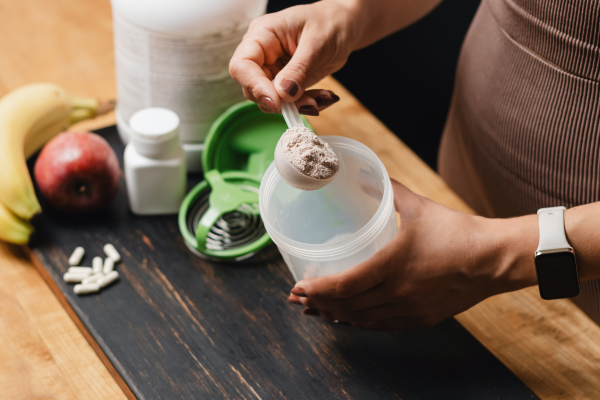
A skin supplement delivers orally ingested actives that support skin hydration, elasticity, barrier function, or antioxidant defence through internal biological pathways. The most evidence-backed actives are hydrolyzed collagen peptides (2.5 to 10 g/day), oral hyaluronic acid (120 to 240 mg/day), biotin (30 to 100 mcg/day for deficiency), vitamin C (80 to 1,000 mg/day), and astaxanthin (4 to 12 mg/day). Dose form selection is determined primarily by the physicochemical properties of the active: collagen peptides and vitamin C suit powders and tablets; fat-soluble actives (astaxanthin, vitamin E, CoQ10) require softgels or emulsified delivery for meaningful absorption; oral hyaluronic acid performs best in capsule or powder form at molecular weights between 200 and 600 kDa. Bioavailability varies substantially by dose form and is the main technical lever available to the formulator after active selection.
Skin supplement formulation sits at the intersection of food supplement regulation, nutritional biochemistry, and consumer product design. A formulator working in this category faces decisions that are more complex than those encountered in standard vitamin supplements: the actives are often macromolecules with variable absorption profiles, the evidence base varies sharply by ingredient and dose, and the regulatory framework strictly limits what can be claimed on the finished product in the EU.
This article provides a formulator-oriented overview of the principal active classes, their mechanisms and dose ranges, the dose forms best suited to each, and the bioavailability factors that determine whether a formulation delivers what the clinical literature promises.
Selecting an HA grade for oral delivery?
Our nutraceuticals team can match molecular weight and granule grade to your dose form and fill constraints.
Active Class 1: Hydrolyzed Collagen Peptides
Mechanism and evidence
Hydrolyzed collagen is produced by enzymatic hydrolysis of native collagen (bovine hide, marine fish skin, or porcine sources) into low-molecular-weight peptides, predominantly below 5 kDa. These peptides — particularly the dipeptides Pro-Hyp and Gly-Pro — are absorbed intact through intestinal epithelial cells, enter systemic circulation, and reach the dermis, where they stimulate fibroblast activity and increase collagen and glycosaminoglycan synthesis.
The evidence base is the strongest in the nutricosmetics category. A 2024 randomised, double-blind, placebo-controlled clinical trial published in PMC (Nutrients, 2024) involving 112 female participants demonstrated significant improvements in skin elasticity, hydration, and roughness following 8 weeks of daily supplementation with 10 g hydrolyzed collagen peptide versus placebo. A separate 2024 trial published in Dermatology Research confirmed increased dermal collagen content and improved hydration and elasticity over 12 weeks. A 2023 randomised, double-blind study in Food & Function showed that 1,650 mg/day of collagen peptides for 12 weeks improved skin hydration, elasticity, and desquamation versus placebo in 100 women aged 30 to 60.
Dose range
Clinical studies show efficacy across a broad range: 1.65 g/day (low-dose LMW peptides) to 10 g/day (standard hydrolysate). Most positive trials cluster at 2.5 to 5 g/day for LMW collagen and 10 g/day for standard hydrolysate. Molecular weight of the peptide fraction matters: MDPI Cosmetics (2024) confirmed that LMW collagen peptides (below 1,000 Da) offer quicker uptake, higher bioavailability, and enhanced stability compared to standard-molecular-weight hydrolysates.
Dose form considerations
Collagen peptides are water-soluble, heat-stable (within normal processing ranges), and flavour-neutral at low doses. This makes them compatible with a wide range of formats.
Active Class 2: Oral Hyaluronic Acid
Mechanism and evidence
Oral hyaluronic acid (HA) has a more complex absorption profile than collagen peptides, and its mechanism of action is still being characterised. A 2023 study in Carbohydrate Polymers established that the absolute bioavailability of orally administered HA is approximately 0.2%, regardless of initial molecular weight. The mechanism involves gut microbiota-mediated depolymerisation: Bacteroides species cleave high-molecular-weight HA into oligosaccharides below 3 kDa, which are partially absorbed through the intestinal wall and enter systemic circulation. This means the clinical effects of oral HA are likely mediated by systemic regulatory signalling rather than direct action of intact HA molecules in the dermis.
Despite this limited absolute bioavailability, clinical evidence for skin outcomes is positive. A 2025 randomised, double-blind, placebo-controlled trial in 150 adults published in Scientific Reports demonstrated significant improvements in skin hydration, barrier function, and signs of ageing following oral sodium hyaluronate supplementation. A 2023 randomised double-blind clinical trial in Skin Research confirmed improvements in skin condition following oral HA administration. HMW-HA (above 100 kDa) is taken up by intestinal epithelial cells and transported via gut-associated lymphoid tissue; LMW-HA (below 100 kDa) is absorbed primarily in the cecum and distributed via the bloodstream.
Dose range
Clinical studies typically use 120 to 240 mg/day. The 200 to 600 kDa molecular weight range used in HAPLEX covers the documented range for effective oral supplementation, with sufficient molecular weight for intestinal lymphoid tissue uptake while remaining within the range that gut microbiota can depolymerise.
Dose form considerations
HA is hydrophilic, forms viscous solutions at concentration, and is not suitable for gummy formats at meaningful doses due to textural issues. Hard capsules and sachets are the primary dose forms, with viscosity of the fill controlled by granule grade and particle size.
Probiotic co-formulation may increase HA absorption. An in vitro study published in PMC (2025) found that co-administration of HA with Bifidobacterium longum novaBLG1 increased HA absorption by approximately 30% compared to HA alone, and by 82% compared to sodium hyaluronate alone, using a model of the human intestinal barrier. This suggests a formulation opportunity for HA combined with targeted probiotic strains in skin supplements.
Active Class 3: Fat-Soluble Antioxidants
Coenzyme Q10 (ubiquinol)
CoQ10 supports mitochondrial energy production in keratinocytes and acts as a lipophilic antioxidant in cell membranes. It is used in skin supplements at 30 to 200 mg/day, primarily for anti-ageing positioning. Bioavailability from standard CoQ10 (ubiquinone) powder in hard capsules is limited; a comparative bioavailability study registered at ClinicalTrials.gov (NCT04780074) found that solubilised and hydrosoluble CoQ10 formulations in softgels produce higher plasma concentrations than standard ubiquinone powder in hard capsules. The reduced form, ubiquinol, shows higher bioavailability than ubiquinone for most individuals and is preferred in premium formulations.
Vitamin E (tocopherols and tocotrienols)
Vitamin E is incorporated in skin supplement formulations primarily as a synergistic antioxidant alongside vitamin C. Alpha-tocopherol is the most biologically active form. It is fat-soluble and benefits from co-administration with a dietary fat source. Oil-based softgels provide better bioavailability than dry vitamin E preparations in hard capsules, particularly for individuals with fat malabsorption.
Active Class 4: Water-Soluble Vitamins and Minerals
Vitamin C
Vitamin C holds the only EFSA-authorised health claim directly relevant to skin in the EU context: "contributes to normal collagen formation for the normal function of skin" where the product provides at least 12 mg per portion, the significant amount threshold for vitamin C. At formulation doses typically ranging from 80 to 500 mg/day in skin supplements, vitamin C serves both as a cofactor in collagen biosynthesis (required for hydroxylation of proline and lysine residues) and as a water-phase antioxidant that regenerates vitamin E. It is water-soluble, stable in anhydrous solid forms, and compatible with most dose form formats. High doses above 1,000 mg/day may cause gastrointestinal discomfort; buffered forms (calcium ascorbate, sodium ascorbate) reduce this risk.
Biotin
Biotin (vitamin B7) is an EFSA-approved active for claims on normal hair and normal skin maintenance. It functions as a coenzyme in carboxylase enzymes involved in keratin biosynthesis. The clinical evidence for biotin supplementation is clearest in cases of deficiency, which manifests as hair thinning and brittle nails. Standard supplement doses range from 30 to 10,000 mcg/day, though the evidence for supraphysiological doses in non-deficient individuals remains limited. Biotin is water-soluble, stable, and compatible with all solid dose forms.
Zinc
Zinc carries EFSA-authorised claims for normal skin maintenance, normal hair, and normal nails. It is a cofactor in over 300 enzymatic reactions including collagen synthesis and DNA repair in keratinocytes. The form of zinc used in supplementation affects bioavailability: zinc bisglycinate and zinc picolinate show higher absorption than zinc oxide, which has low solubility at intestinal pH. Zinc is typically incorporated at 8 to 25 mg/day in skin supplement formulations. Competition with other divalent minerals (iron, copper) at shared intestinal transporters should be considered in stack formulations.
Dose Form Selection: A Decision Framework
Dose form selection for a skin supplement is driven by the physicochemical properties of the active ingredients, the target dose per serving, manufacturing constraints, and consumer preference for format.
Bioavailability: The Formulation Lever
Bioavailability is the proportion of an ingested active that reaches systemic circulation in a form capable of exerting a biological effect. For skin supplement actives, it is the primary technical variable that the formulator can influence after active selection. The factors that affect it split into two categories: intrinsic (molecular weight, solubility, stability in GI conditions) and formulation-dependent (dose form, excipient selection, particle size, co-formulated ingredients).
Solubilisation for fat-soluble actives
Fat-soluble actives require solubilisation or emulsification to cross the aqueous phase of the intestinal lumen and reach the enterocyte surface. The key strategies used in skin supplement formulations are: oil-fill softgels (disperses the active in a lipid vehicle at the site of absorption), self-emulsifying drug delivery systems (SEDDS, which form fine emulsions spontaneously upon contact with gastric fluid), and spray-dried emulsion powders (lipid-encapsulated active in a water-dispersible matrix, compatible with tablet and capsule manufacture).
Molecular weight and particle size for macromolecule actives
For collagen peptides, lower molecular weight directly correlates with faster and more complete absorption. LMW hydrolysates (below 1,000 Da) show quicker uptake than standard hydrolysates (1,000 to 5,000 Da), as confirmed in the 2024 MDPI Cosmetics study. For oral hyaluronic acid, molecular weight determines the absorption pathway (cecal absorption for LMW below 100 kDa; lymphoid tissue uptake for HMW above 100 kDa) but not the absolute bioavailability, which remains approximately 0.2% regardless of MW according to the 2023 Carbohydrate Polymers study.
Synergistic co-formulation
Several clinically validated combinations improve bioavailability or activity beyond what each ingredient achieves alone. Vitamin C and collagen peptides are the most established: vitamin C is required for hydroxylation of proline residues during collagen synthesis, and its inclusion at effective doses in a collagen supplement improves the utilisation of the amino acid precursors delivered by the peptides. Probiotic strains combined with oral HA increase intestinal absorption by approximately 30% in in vitro models (PMC, 2025). Piperine (black pepper extract) at 5 mg is used in some formulations to inhibit intestinal glucuronidation and increase bioavailability of curcumin and certain carotenoids, though it also increases the bioavailability of co-administered drugs and should be flagged on labelling.
Our nutraceuticals portfolio includes active ingredient grades suited to skin supplement formulation across collagen, HA, and vitamin categories, with technical data sheets supporting dose form selection and stability documentation.
Frequently Asked Questions
What is the most evidence-backed active ingredient for a skin supplement?
Hydrolyzed collagen peptides have the strongest clinical evidence base in the skin supplement category. A meta-analysis covering 26 randomised controlled trials and approximately 1,721 participants found significant improvements in skin hydration and elasticity. Effective doses in clinical studies range from 1.65 g/day for LMW collagen peptides to 10 g/day for standard hydrolysates. Oral hyaluronic acid is the second most evidenced active, with positive results across multiple randomised trials at 120 to 240 mg/day.
Why does dose form matter for astaxanthin bioavailability?
Astaxanthin is highly lipophilic and practically insoluble in water. When delivered in a standard hard capsule with a dry powder fill, it cannot dissolve in the aqueous intestinal environment and is poorly absorbed. An oil-based softgel places the active in a lipid vehicle that disperses in the GI tract, enabling micellar solubilisation and enterocyte uptake. Emulsified and liposomal formats show further improvements in absorption relative to standard softgels in comparative bioavailability studies.
Can I formulate collagen peptides and hyaluronic acid together in a capsule?
Yes, but dose constraints apply. A standard two-piece capsule holds approximately 500 to 700 mg of powder fill. At therapeutic doses, collagen peptides require 2.5 to 10 g per serving, which cannot be delivered in a single capsule. A practical solution is to provide collagen as a sachet powder and include HA, vitamin C, and zinc as capsule companions in the same daily regimen. Alternatively, a gummy or ready-to-drink format can consolidate lower-dose collagen (1 to 3 g) with HA and vitamins in a single consumer-friendly serving.
What EFSA claims can I use for a skin supplement in the EU?
EFSA authorised claims directly relevant to skin supplements include: vitamin C "contributes to normal collagen formation for the normal function of skin" (12 mg/day threshold); zinc "contributes to the maintenance of normal skin" and "contributes to the maintenance of normal hair and nails"; biotin "contributes to the maintenance of normal skin" and "contributes to the maintenance of normal hair." No direct beauty claims for collagen or hyaluronic acid have been authorised by EFSA. Claims must use the exact approved wording and the product must meet the minimum intake threshold for the relevant nutrient.
What is the gut-skin axis and how does it apply to skin supplement formulation?
The gut-skin axis refers to the bidirectional communication between the intestinal microbiome and skin physiology, mediated through immune, hormonal, and metabolic pathways. It has direct formulation implications: the absorption of oral hyaluronic acid is gut microbiota-dependent, with Bacteroides species being responsible for depolymerising HA into absorbable oligosaccharides. Co-formulating HA with targeted probiotic strains (such as Bifidobacterium longum) has shown a 30% increase in HA intestinal absorption in vitro. Probiotic supplementation also shows efficacy in inflammatory skin conditions through gut-mediated systemic inflammation modulation.
What is the minimum viable active stack for a skin supplement with compliant EU marketing?
The minimum stack that allows compliant EU skin health claims while incorporating the most evidenced actives is: vitamin C at a dose meeting the 12 mg/day EFSA threshold (for the collagen formation claim), zinc at a dose meeting EU labelling thresholds (for normal skin and hair maintenance), and biotin at a dose meeting EU thresholds (for normal skin and hair). Collagen peptides and hyaluronic acid can be included as featured ingredients without a claim. This structure satisfies both the regulatory requirement and the consumer expectation of clinically grounded positioning.