


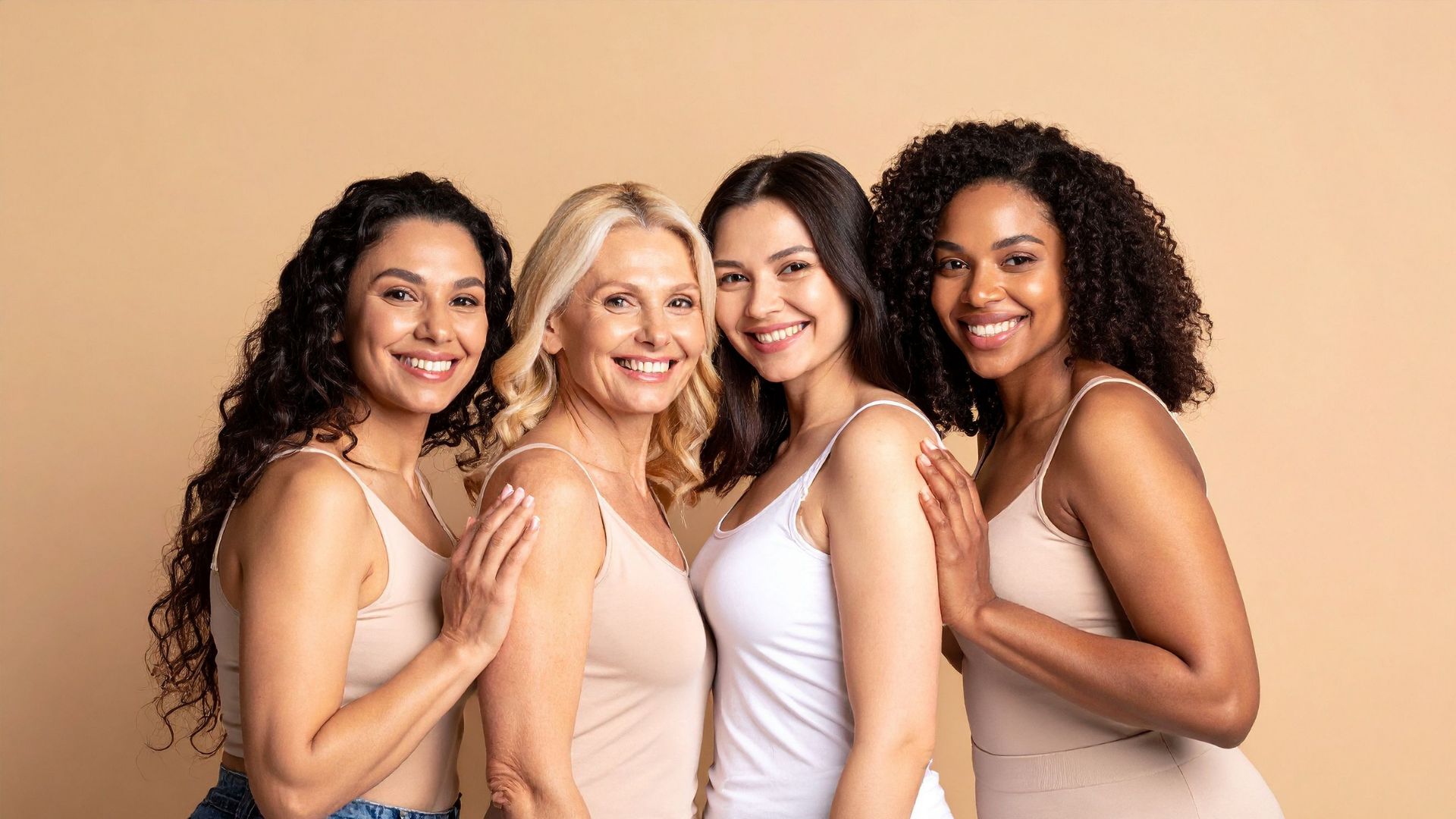
Today, beauty trends emerge from every corner of the world, travelling at digital speed and evolving through cultural exchange, innovation, and reinterpretation. This shift has given rise to a new era of beauty across borders, where local routines and traditions are becoming global, inspiring brands to innovate with different formats and ingredients in their NPD.
From skincare rituals rooted in centuries-old practices to cutting-edge ingredient technologies, the global beauty landscape is more interconnected than ever. Understanding how and why this transformation is happening is essential for brands, formulators, and industry professionals to navigate the rapidly changing market.
Why Beauty Is Becoming Truly Global
The globalisation of beauty is driven by a convergence of access and exposure, primarily through social media. Consumers are more informed, more curious, and more willing to experiment with products and routines that originate beyond their home markets, as a result of platforms such as TikTok and Instagram. Trends and traditions once shaped by cultural heritage, lifestyle or culture are now rapidly scaling worldwide.
At the same time, digital platforms and global supply chains have removed many of the traditional barriers that once kept beauty trends regional. What was once considered “foreign” or niche is now desirable, meaning beauty trends no longer trickle down from a few dominant markets but instead emerge simultaneously across regions.
The Key Forces Driving Beauty Across Borders
Borderless E-Commerce and Global Access
Borderless e-commerce has fundamentally changed how beauty products are discovered and purchased. Consumers can now access international brands, regional hero products, and emerging indie concepts with just a few clicks from reputable retailers. Direct-to-consumer models, global marketplaces, and social commerce platforms allow brands to reach audiences far beyond their domestic markets without relying on traditional expansion into retail.
This instant access means a formulation developed for one region can quickly gain traction elsewhere, supported by online reviews, peer recommendations, and social content results. As a result, trend cycles have compressed dramatically, turning local innovations into global success stories in a matter of weeks rather than years.
Digital Connectivity and the Power of Social Media
Social media is arguably the most powerful engine behind beauty across borders. Platforms such as TikTok, Instagram, and YouTube act as global discovery tools, where beauty routines, formats, and ingredients are demonstrated, explained, and validated in real time.
As algorithms prioritise novelty, consumers converge and build trust with one another through authenticity and visible results. This then enables culturally specific practises like hair oiling or fermented skincare to reach worldwide audiences without the need for traditional marketing or translation. Alongside brands, individual creators and communities now dictate what resonates with audiences, accelerating the global adoption of trends through relatable content. Micro-influencers and niche creators play a particularly important role in this, as their perceived authenticity helps unfamiliar products and routines feel accessible and more trustworthy across their audiences.
Global Travel and Multicultural Societies
Increased global travel and growing multicultural populations have further accelerated the exchange of beauty ideas. Travel exposes consumers directly to new rituals, textures, and approaches to self-care, while migration and multiculturalism is blending beauty traditions between regions.
As a result, practices once confined to specific countries or continents are becoming mainstream across the globe. Beauty routines are no longer defined by a single cultural lens but are shaped by layered influences, combining heritage, wellness, and performance from a variety of different sources. This ongoing cultural exchange fuels hybrid trends that feel both globally inspired and locally relevant, which lends itself to the concept of ‘cross-pollination’. This idea refers to the combination of different markets’ philosophies and innovations to create a completely new, innovative concept that avoids the oversaturated markets within the beauty sector.
Ingredients Without Borders: Innovation Meets Origin
Ingredients are now central to the globalisation of beauty. Consumers increasingly seek both performance and provenance, expecting ingredients to deliver visible results while also telling a credible origin story. This has elevated regional raw materials into globally recognised actives, often enhanced through biotechnology, fermentation, or green chemistry. With the beauty landscape quickly evolving and the scope of products being greater than ever, consumers are prioritising transparency, traceability, and responsibility alongside performance.
Bio-based, functional, and sustainably sourced ingredients are particularly well positioned in this landscape, as they align with consumer demand. As ingredients travel across borders, the challenge for the industry is to preserve authenticity while ensuring global compliance, scalability, and consistent performance.
Scientific validation will play a critical role in this transition. By combining ancestral knowledge with modern formulation science, brands can transform traditional rituals into globally appealing products without compromising on performance or claims. This balance between heritage, innovation and science lies at the heart of the beauty across borders trend.
Regional Trends
France – Dermocosmetics
One movement that has travelled far beyond its borders is French dermocosmetics. Once associated primarily with pharmacy shelves in Paris and the thermal spa towns in France, dermocosmetics have become a global skincare phenomenon, influencing product development from Europe to Asia and beyond. Their appeal lies in the unique space they occupy, bridging traditional cosmetic products and dermatological care – offering consumers effective, science-backed solutions for everyday skin concerns.
Dermocosmetics refers to a long-standing tradition of science-led skincare developed in collaboration with dermatologists, having a strong focus on skin health, efficacy and safety. This trend has been adopted in the UK with brands launching dermocosmetic products on drugstore shelves, as consumers increasingly demand proven efficacy, active ingredients, and skin barrier health.
The primary purpose of a dermocosmetic product is to offer effective alternative solutions to dermatological prescriptions for common skin problems such as: sensitive skin; oily or acne-prone skin; aged skin; and atopic or dry skin.
Sensitive skin
Skin sensitivity occurs when the skin overreacts to normal stimuli that normally shouldn’t cause discomfort. This typically happens as a result of barrier disruption, where the reaction becomes exacerbated when external irritants can penetrate the skin more easily. Common extrinsic triggers consist of pollution, UV radiation, harsh products, and stress, but some sensitivities are dependent on genetics, age or hormones. These stimuli can lead to different skin responses such as redness, dryness, itching, or rashes, which dermocosmetics can offer targeted solutions for.
SymRelief® Green from Symrise offers an ideal solution for sensitive skin. It’s synergistic soothing solution of biotech bisabolol and organic ginger extract helps to reduce redness and soothe sensitivity in the skin, whilst offering moisturisation and antioxidant properties.
Oily or acne-prone skin
Oily skin occurs primarily due to overproduction of sebum within the skin, which can be triggered by various different extrinsic and intrinsic factors. For example, hormones and stress can play a big factor in overactive sebaceous glands internally, alongside diet, weather conditions, and skincare routines having an impact externally. As a result, oil and sebum builds up on the skin and combines with dead skin cells or bacteria on the skin which causes the skin to break out more easily - this develops blackheads, acne and pimples on the surface of the skin.
Azeclair™ P from Corum is a gentle, non-irritating active ingredient that controls oil secretion and offers anti-inflammatory benefits to manage and soothe acne-prone skin.
Aged skin
Skin ageing is an inevitable process that impacts everyone over time. As we age collagen and elastin in the skin naturally declines, along with NMFs and hyaluronic acids, which leads to dehydration, loss of elasticity and wrinkles. The mechanisms behind cellular ageing are outlined by the Hallmarks of Ageing which describe the various processes that cause cells to decline. Science-backed ingredients such as retinoids, exosomes, peptides and ceramides are increasingly sought after amongst consumers in targeting age-related concerns, which all target mechanisms outlined in the Hallmarks of Ageing.
As well as targeting ageing on a cellular level, it’s important not to neglect the skin surface too. A large proportion of visible signs of skin ageing are as a result of UV damage, highlighting the importance of daily SPF use to protect against radiation from the sun.
Although anti-wrinkle products have long been a staple in consumer routines, the rhetoric is beginning to change, as young consumers seek out preventative claims rather than reactive. The Longevity trend perfectly encompasses these topics which outline the process of ageing, guiding consumers in age defence, prevention and dermatological skincare solutions.
Atopic and dry skin
Atopic dermatitis, commonly known as eczema, impacts consumers across a variety of ages around the world. A combination of genetics, immune system response, and environmental factors (e.g. climate and pollution) all play a part in contributing to the presence and severity of eczema patches. Though there are various different types that occur, the condition is heavily influenced by impaired skin barriers and overactive immune reactions, causing dry, reactive and weak skin.
Addressing the concerns of atopic skin requires a careful balance of mild, gentle care and proven efficacy, to avoid unwanted side effects for the consumer. Delivering clinical efficiency while ensuring effectiveness and safety, is key when treating eczema and supporting compromised skin.
When the skin barrier is compromised, cell cohesion weakens, allowing moisture to escape more readily and resulting in dryness and dehydration. Dermocosmetic products that reinforce the skin’s lipid matrix and strengthen barrier function are essential for maintaining optimal hydration and locking water into the stratum corneum.
Nordic Region – Clean Beauty
The Nordic beauty philosophy is rooted in simplicity, balance and sustainability, inspired by the cultural concept of lagom which values having ‘just enough’. Consumers favour streamlined routines with highly effective, multi-functional products, alongside a strong expectation for clean formulations and environmentally conscious ingredients that support both personal and planetary wellbeing.
LIPEX® SheaSoft TR™ from AAK is an optimised shea butter that has been sustainably sourced and is fully traceable back to the Kolo Nafaso program. The material also offers excellent nourishing and moisturisation properties, perfect for natural, clean beauty formulations.
Korea – K Beauty
K-Beauty is characterised by constant innovation, playful textures and a proactive approach to long-term skin health. This trend has been built around achieving healthy, radiant ‘glass skin’ through hydration-focused routines, layering techniques and cutting-edge ingredients. K-Beauty has burst through in most markets across the globe, with consumers readily embracing new textures and emerging technologies.
A great ingredient to create innovative textures inspired by K-Beauty is the Harmonie™ NatuVel Gel from Momentive. A 100% natural elastomer gel that provides a powdery-dry, cushioned feeling on the skin, and elevates the sensory of formulations to create a premium after-feel.
Rice PDRN from Hyundai Bioland is a vegan source of PDRN, which is a trending ingredient across social media. It is an alternative to animal derived hydrolysed DNA and helps to achieve glass skin by reducing skin texture and the appearance of pores.
Interested in Korean Beauty?
Read our dedicated article right now!
Japan – J Beauty
J-Beauty is based on a philosophy of prevention, ritual and consistency, with beauty viewed as a long-term investment rather than a quick-fix. Drawing on centuries of traditional botanical knowledge refined through modern science, Japanese beauty routines focus on maintaining skin and scalp health through mindful, disciplined practises and gentle formulations.
A key trend in 2026 regarding scalp health are senolytic ingredients, combating a natural process of ageing called cell senescence. SenoCellTec™ from Mibelle Biochemistry is a next generation senolytic that clears senescent zombie cells, whilst activating stem cells in the skin. It helps to visibly reduce wrinkles, improve elasticity and hydration, and deliver more youthful-looking skin.
Brazil – Curly & Coily Hair
Brazil has a deeply ingrained beauty culture shaped by its diverse hair types, humid climate and emphasis on healthy, vibrant hair. The market has historically led innovation in curly and textured haircare, focusing on intense nourishment, moisture retention and frizz control, with modern formulations increasingly combining high-performance styling benefits with natural movement, softness and shine.
SolAmaze™ Natural from Nouryon is an oil soluble, 100% natural film former perfect for high humidity resistance. It offers excellent thermal production, acts as a non-volatile alternative and has extensive proven data on curly hair types.
What Beauty Across Borders Means for Brands and Formulators
For brands and formulators, beauty across borders represents exciting new opportunities within the beauty sector. Global inspiration can unlock innovation and novelty in a crowded market, but success depends on the ability to translate trends thoughtfully rather than replicate them blindly. This requires deep cultural insight, flexible formulation strategies, and ingredient solutions that can perform and appeal to consumers across diverse markets.
As beauty becomes more global, cultural sensitivity has become a key expectation. Consumers are increasingly aware of the difference between respectful inspiration and superficial appropriation, finding the balance is key. Buyers want to understand where rituals come from, how ingredients are sourced, and what benefits they offer. Authenticity, education, and collaboration are essential for building trust in this sector, so brands that provide context, origin stories, and communicate transparently are far more likely to succeed in the modern global beauty market.
Understanding these global beauty trends enables faster and more relevant innovation, whist helping brands stay aligned with evolving consumer expectations around authenticity, sustainability, and efficacy.
The Future of Beauty Is Borderless
Beauty across borders is not a passing trend, but the new reality of the industry. As access, connectivity, and cultural exchange continue to expand around the world, beauty innovation will increasingly emerge from anywhere and resonate everywhere.