


Insights from the Industry
Explore expert perspectives, trends, and innovations
shaping the future of specialty chemicals and your market.
Filter by

Consumer Trends
Direct or distributor, what REACH actually requires of a buyer, the sourcing constraints by product family, and how to qualify a European supplier.
How to Source Specialty Chemicals in Europe
Direct or distributor, what REACH actually requires of a buyer, the sourcing constraints by product family, and how to qualify a European supplier.
Article
Which formulated products qualify, what the CDV and biodegradability criteria require, how the seven-step application works and what it costs.
How to Get an EU Ecolabel for Your Formulated Product
Which formulated products qualify, what the CDV and biodegradability criteria require, how the seven-step application works and what it costs.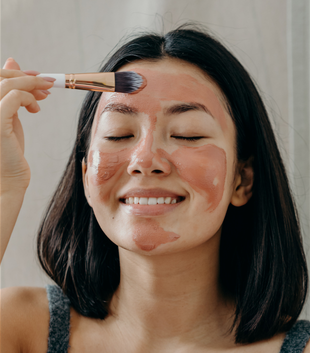
Consumer Trends
Clean beauty is no longer a niche claim. It is redefining how cosmetic products are formulated and marketed. Today's consumers expect transparency, safety, and sustainability — but they also demand vi…
Formulating High-Performance Clean Beauty with Minerals
Clean beauty is no longer a niche claim. It is redefining how cosmetic products are formulated and marketed. Today's consumers expect transparency, safety, and sustainability — but they also demand vi…
Formulations
Why the 200 to 600 kDa bracket is the working specification, how gut microbiota govern absorption, and what each application stack requires.
Food-Grade Sodium Hyaluronate for Dietary Supplements: Joint, Skin, and Gut Health Applications
Why the 200 to 600 kDa bracket is the working specification, how gut microbiota govern absorption, and what each application stack requires.
Technical Article
What ASTM C1184 and C1401 require of construction sealants, how silicone behaves under UV and joint movement, and what 40 years of field data show.
Silicone sealants for construction: performance, durability and formulation
What ASTM C1184 and C1401 require of construction sealants, how silicone behaves under UV and joint movement, and what 40 years of field data show.
MDI vs TDI Polyurethane: Differences, Uses and Waterborne Alternatives
MDI or TDI? How the two isocyanates differ in structure, handling, exposure and applications, when to use MDI instead of TDI, and where waterborne polyurethane dispersions fit.
Consumer Trends
This article is the formulation companion to What 'glass skin' actually is — the formulation trend explained, which covers the market trend, consumer context, and skin biology behind the aesthetic. Th…
Formulating for a glass-skin finish: choosing humectant, occlusive and active classes
This article is the formulation companion to What 'glass skin' actually is — the formulation trend explained, which covers the market trend, consumer context, and skin biology behind the aesthetic. Th…
Consumer Trends
TL;TR
Glass skin is a skincare aesthetic rooted in Korean beauty that describes a complexion so smooth, evenly hydrated, and luminous that it reflects light like a pane of glass. The look depends o…
What glass skin actually is: the formulation trend explained
TL;TR
Glass skin is a skincare aesthetic rooted in Korean beauty that describes a complexion so smooth, evenly hydrated, and luminous that it reflects light like a pane of glass. The look depends o…
Article
Which BPR product types apply to industrial formulations, how the main biocide families differ, and where resistance and re-approval risk sits.