


Insights from the Industry
Explore expert perspectives, trends, and innovations
shaping the future of specialty chemicals and your market.
Filter by

Formulations
Rheology — the study of flow and deformation of materials under applied stress — determines whether a paint performs correctly from manufacturing through to the final dried film. In waterborne paints,…
Rheology Modifiers for Waterborne Systems
Rheology — the study of flow and deformation of materials under applied stress — determines whether a paint performs correctly from manufacturing through to the final dried film. In waterborne paints,…
Article
Colour cosmetics live or die by sensory experience. A foundation can deliver flawless coverage on paper and still fail commercially if it drags on application, feels heavy two hours after wear, or lea…
Sensory Modifiers for Colour Cosmetics: A formulator's guide
Colour cosmetics live or die by sensory experience. A foundation can deliver flawless coverage on paper and still fail commercially if it drags on application, feels heavy two hours after wear, or lea…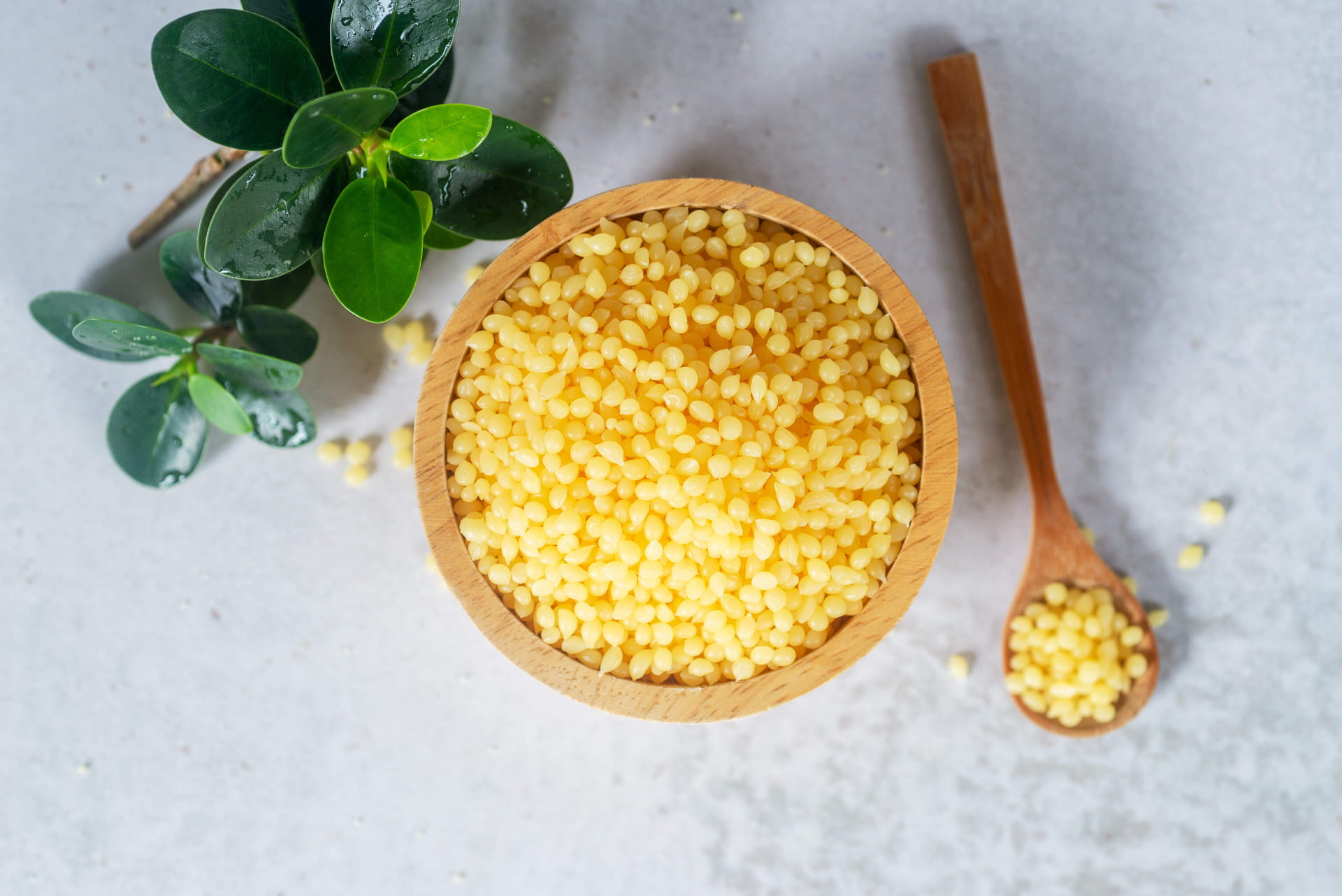
Consumer Trends
Natural waxes and vegetable oils are among the most structurally and functionally versatile ingredients available to cosmetic formulators. Whether the objective is a firm lipstick, a stable balm, a sk…
How to Formulate with Natural Oils and Waxes in Cosmetic Products
Natural waxes and vegetable oils are among the most structurally and functionally versatile ingredients available to cosmetic formulators. Whether the objective is a firm lipstick, a stable balm, a sk…
Article
High-viscosity hypromellose (HPMC) is the reference polymer for hydrophilic matrix tablets. This guide compares HPMC viscosity grades, explains how K200M slows drug release and when formulators should…
High-Viscosity HPMC for Controlled Release: Properties and Applications of BENECEL™ K200M PHARM
High-viscosity hypromellose (HPMC) is the reference polymer for hydrophilic matrix tablets. This guide compares HPMC viscosity grades, explains how K200M slows drug release and when formulators should…
Consumer Trends
Choosing the right surfactant for a home care formulation is not simply a matter of picking a "good cleaner." It requires matching the chemistry, charge, and physical properties of the surfactant to t…
Surfactants in Home Care: How to Select the Right Type
Choosing the right surfactant for a home care formulation is not simply a matter of picking a "good cleaner." It requires matching the chemistry, charge, and physical properties of the surfactant to t…
Formulations
Corrosion costs the global economy an estimated 3 to 4% of GDP annually. For structural steel in infrastructure, marine environments, chemical processing plants, and industrial equipment, the dominant…
Corrosion Inhibitors in Industrial Coatings
Corrosion costs the global economy an estimated 3 to 4% of GDP annually. For structural steel in infrastructure, marine environments, chemical processing plants, and industrial equipment, the dominant…
Article
Formulators looking to replace conventional petroleum-based emollients or volatile silicones increasingly turn to the same two molecules: squalane and hemisqualane. Both are derived fro…
Squalane and Hemisqualane: Sustainable best-in-class Emollient Alternatives
Formulators looking to replace conventional petroleum-based emollients or volatile silicones increasingly turn to the same two molecules: squalane and hemisqualane. Both are derived fro…
Article
Any plastic part entering the European Union in 2026 has to clear two hurdles at once: does it meet the fire safety requirements for its application, and is the flame retardant chemistry it uses still…
Flame Retardants in Plastics — EU REACH Compliance 2026
Any plastic part entering the European Union in 2026 has to clear two hurdles at once: does it meet the fire safety requirements for its application, and is the flame retardant chemistry it uses still…
Industry Insights
A formulator choosing between two dimethicone grades isn't making a marginal adjustment — they're choosing between a fast-spreading, dry-touch emollient and a high-viscosity silico…