


Insights from the Industry
Explore expert perspectives, trends, and innovations
shaping the future of specialty chemicals and your market.
Filter by

Consumer Trends
TL;TR
Glass skin is a skincare aesthetic rooted in Korean beauty that describes a complexion so smooth, evenly hydrated, and luminous that it reflects light like a pane of glass. The look depends o…
What glass skin actually is: the formulation trend explained
TL;TR
Glass skin is a skincare aesthetic rooted in Korean beauty that describes a complexion so smooth, evenly hydrated, and luminous that it reflects light like a pane of glass. The look depends o…
Article
Which BPR product types apply to industrial formulations, how the main biocide families differ, and where resistance and re-approval risk sits.
Biocides and preservatives in industrial applications: EU BPR requirements
Which BPR product types apply to industrial formulations, how the main biocide families differ, and where resistance and re-approval risk sits.
Formulations
Organosilanes are hybrid molecules that bridge inorganic and organic matter. Their general formula is RₙSiX₄₋ₙ, where R is an organic group and X is a hydrolyzable group such as an alkoxy or halogen.…
Organosilanes: what they are and how they are used
Organosilanes are hybrid molecules that bridge inorganic and organic matter. Their general formula is RₙSiX₄₋ₙ, where R is an organic group and X is a hydrolyzable group such as an alkoxy or halogen.…
Article
Why Polymer Processing Aids Exist
Processing polyolefins at high throughput exposes a fundamental tension in polymer physics: the faster you push a resin through a die, the more likely the melt is…
Processing Aids for Polyolefins: Reducing Defects in Extrusion and Injection Molding
Why Polymer Processing Aids Exist
Processing polyolefins at high throughput exposes a fundamental tension in polymer physics: the faster you push a resin through a die, the more likely the melt is…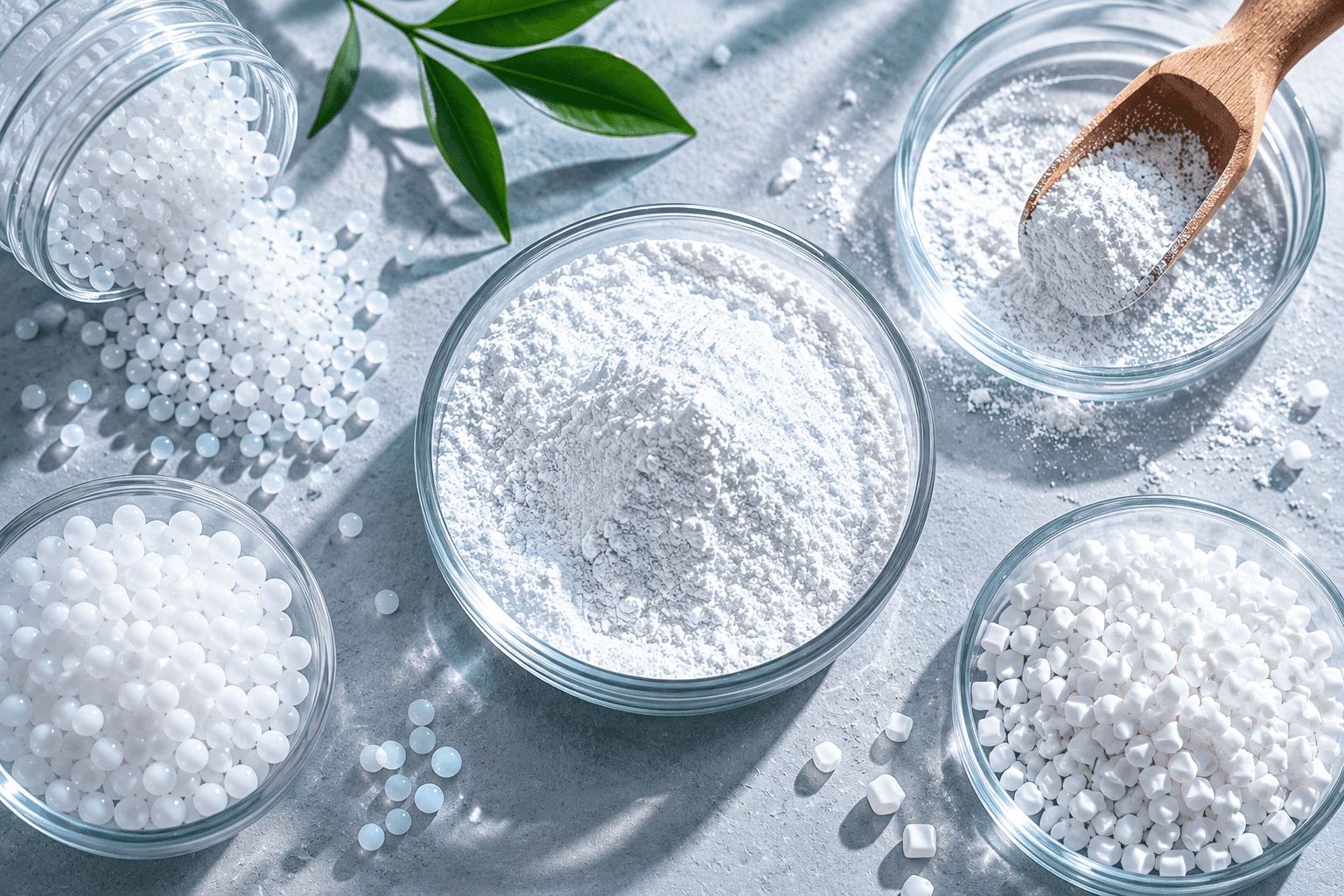
Formulations
What Precipitated Silica Is
Precipitated silica is a synthetic amorphous form of silicon dioxide (SiO2) produced by a wet chemical process. It appears as a white, free-flowing powder with a porous…
Precipitated Silica: Properties, Manufacturing, and Industrial Applications
What Precipitated Silica Is
Precipitated silica is a synthetic amorphous form of silicon dioxide (SiO2) produced by a wet chemical process. It appears as a white, free-flowing powder with a porous…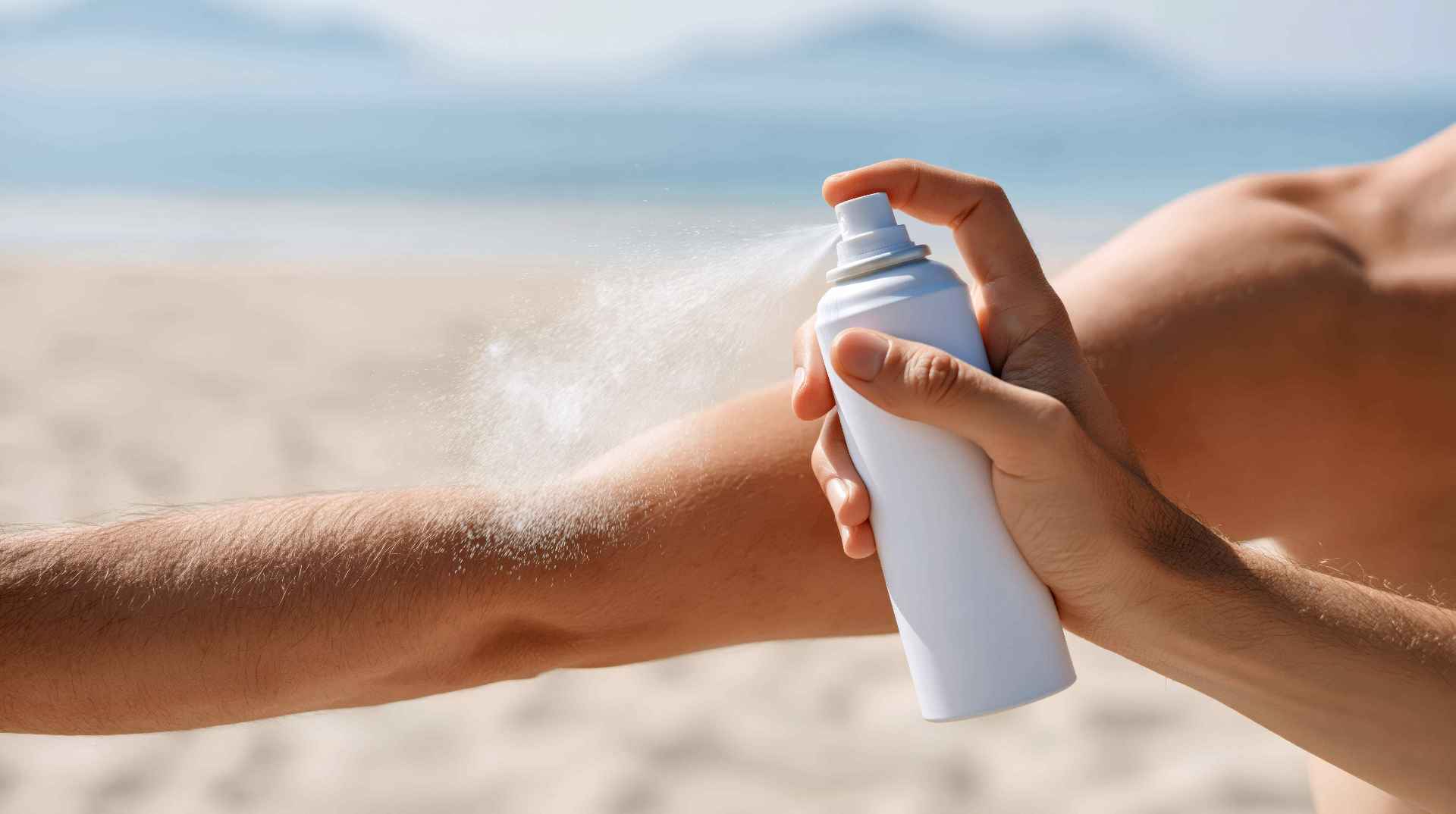
Article
For formulators, production teams and procurement leads building the next sun care cycle — across the Americas and Europe.
The single most important fact in sun care has nothing to do with chemist…
Sun Protection in 2026: Why the Format Is Now the Formulation
For formulators, production teams and procurement leads building the next sun care cycle — across the Americas and Europe.
The single most important fact in sun care has nothing to do with chemist…
Article
Every cosmetic product placed on the EU market must remain microbiologically safe throughout its shelf life and period of use. Preservatives are the primary tool formulators rely on to prevent microbi…
Preservatives in Cosmetics: EU Regulatory Guide 2026
Every cosmetic product placed on the EU market must remain microbiologically safe throughout its shelf life and period of use. Preservatives are the primary tool formulators rely on to prevent microbi…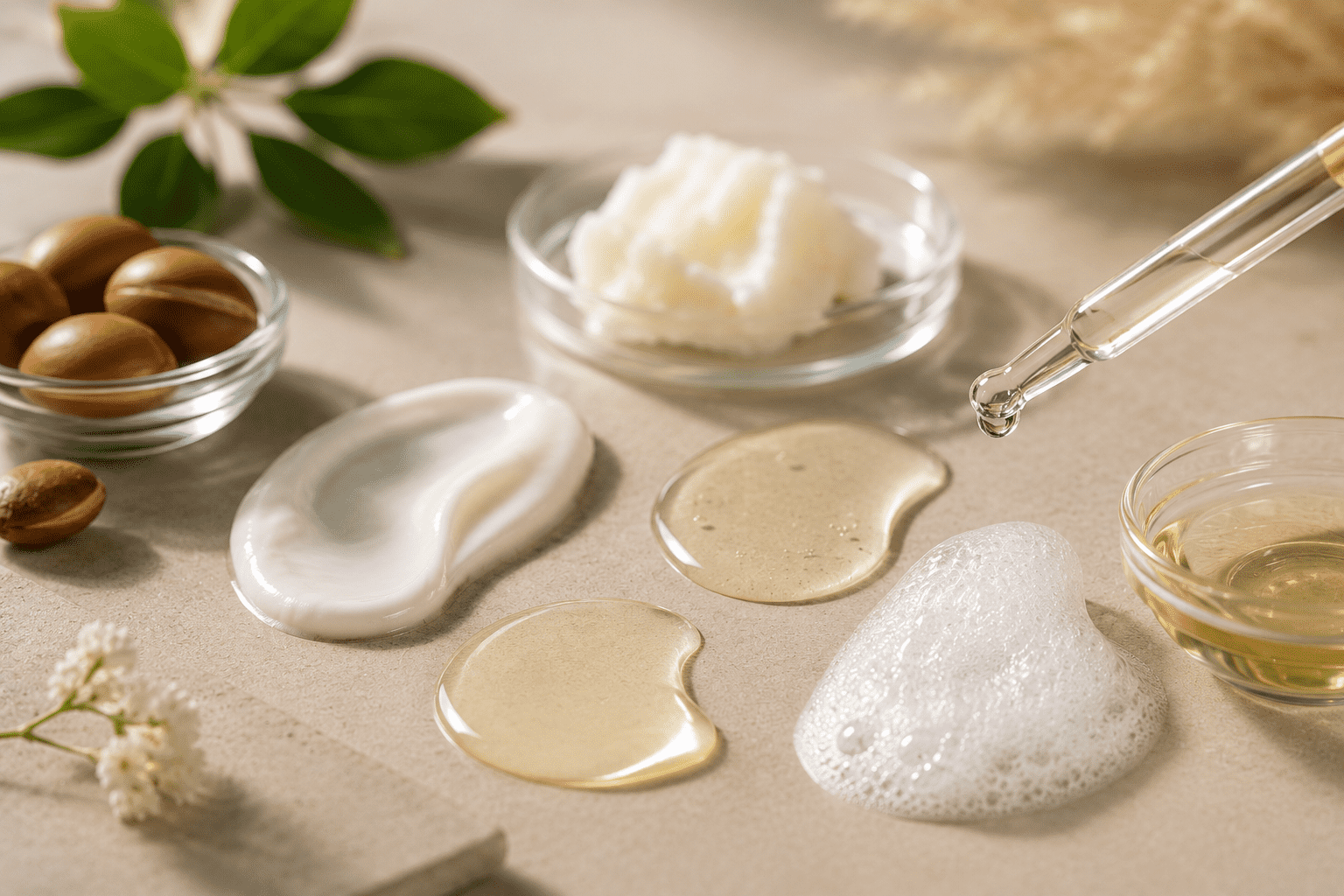
Article
Quick answer: Silicone alternatives in cosmetics are bio-based or biodegradable ingredients — primarily plant-derived esters, alkanes, and natural oils — that replicate the emollient, film-forming, an…
Silicone Alternatives in Cosmetics — Clean Beauty Brands
Quick answer: Silicone alternatives in cosmetics are bio-based or biodegradable ingredients — primarily plant-derived esters, alkanes, and natural oils — that replicate the emollient, film-forming, an…
Consumer Trends
Foam is an unavoidable problem in waterborne coatings. Every step of the manufacturing and application process — pigment dispersion, the grind stage, let-down, pumping during filling, and spray or rol…