


Insights from the Industry
Explore expert perspectives, trends, and innovations
shaping the future of specialty chemicals and your market.
Filter by

Consumer Trends
Quick answer: Sustainable chemistry rests on three levers that formulators can combine, not choose between: bio-based feedstocks that replace fossil carbon, circular material flows that keep resources…
Sustainable Chemistry: Bio-Based, Circular and REACH-Compliant Solutions
Quick answer: Sustainable chemistry rests on three levers that formulators can combine, not choose between: bio-based feedstocks that replace fossil carbon, circular material flows that keep resources…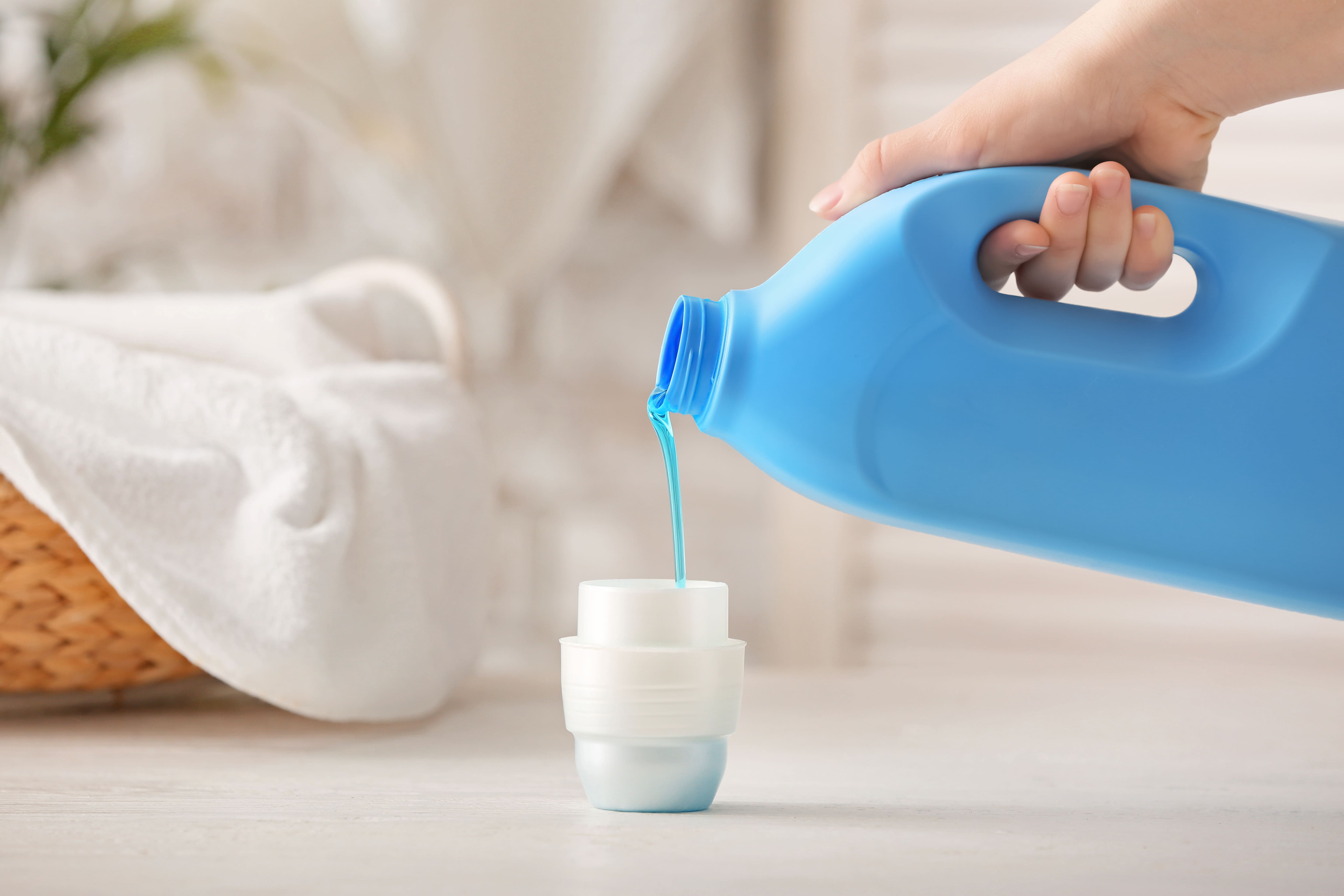
Formulations
Laundry detergent is one of the clearest examples of how a regulatory deadline can reshape a formulation almost overnight. For twenty years, EU manufacturers worked under Regulation (EC) 648/2004, a t…
What Makes a Laundry Detergent 'Eco': The Reformulation Trend
Laundry detergent is one of the clearest examples of how a regulatory deadline can reshape a formulation almost overnight. For twenty years, EU manufacturers worked under Regulation (EC) 648/2004, a t…
Formulations
A laundry liquid is built from three functional blocks that each do a different job: surfactants remove the soil, enzymes break down what surfactants alone cannot touch, and builders neutralize the wa…
Building an Eco Laundry Liquid: Surfactant, Enzyme and Builder Classes
A laundry liquid is built from three functional blocks that each do a different job: surfactants remove the soil, enzymes break down what surfactants alone cannot touch, and builders neutralize the wa…
Industry Insights
Quick answer: The circular economy relies on specialty chemicals at almost every step: stabilizers and compatibilizers that let recycled plastics keep their properties, devulcanization agents that giv…
Specialty Chemicals for the Circular Economy
Quick answer: The circular economy relies on specialty chemicals at almost every step: stabilizers and compatibilizers that let recycled plastics keep their properties, devulcanization agents that giv…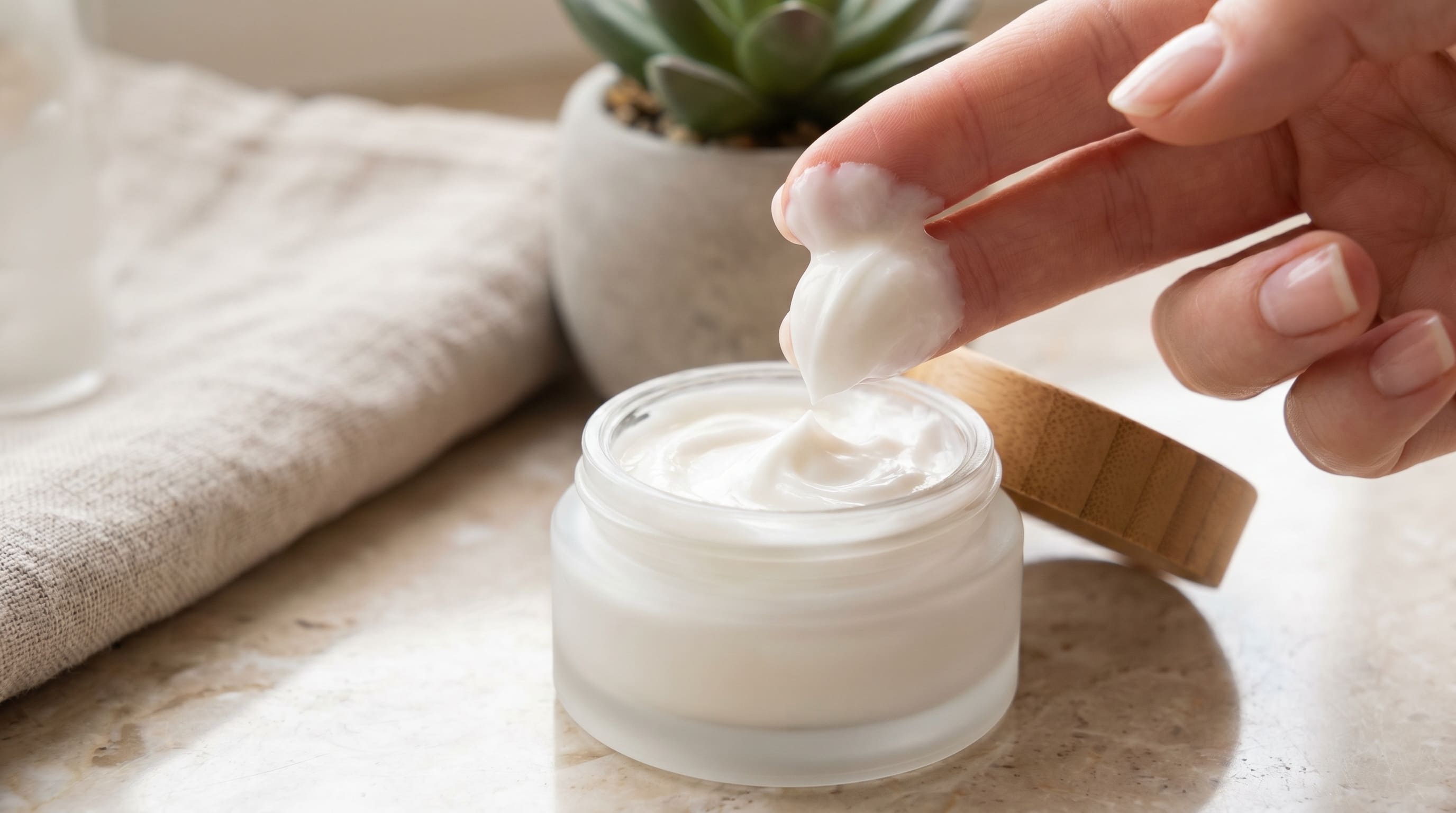
Consumer Trends
Quick answer
Bio-based emollients now match silicones on several key performance markers, including skin hydration and sensory feel, according to a recent clinical study. Their main remaining weak…
Bio-Based Emollients for Cosmetics: Performance vs Sustainability
Quick answer
Bio-based emollients now match silicones on several key performance markers, including skin hydration and sensory feel, according to a recent clinical study. Their main remaining weak…
Article
Traditional gelatin-based softgels have long dominated the market as the preferred oral dosage form across the pharmaceutical and nutraceutical sectors, due to their ability to encapsulate oil-based i…
Veggie Softgels: A Market-Driven Solution for Modern Nutraceutical and Pharmaceutical Delivery
Traditional gelatin-based softgels have long dominated the market as the preferred oral dosage form across the pharmaceutical and nutraceutical sectors, due to their ability to encapsulate oil-based i…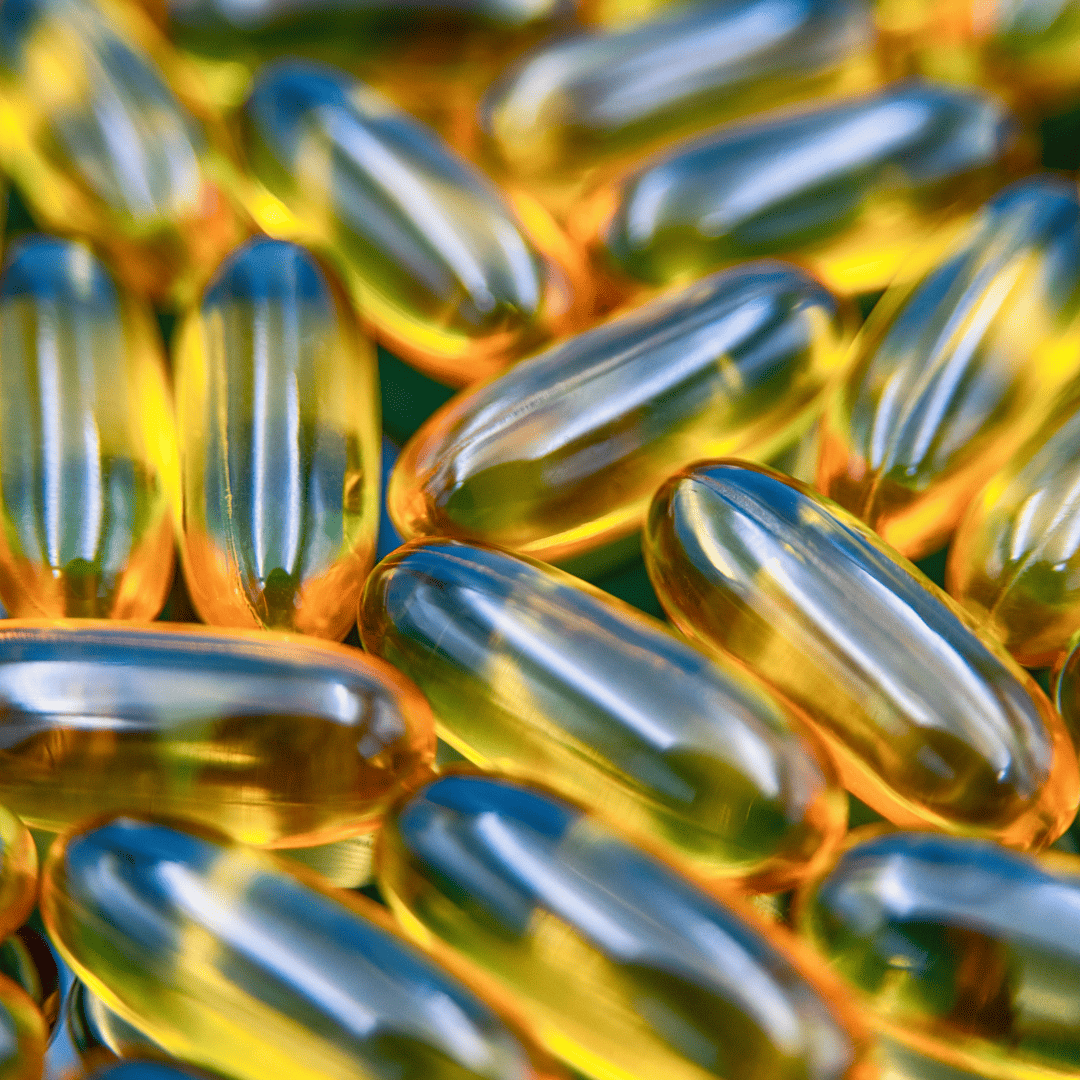
Consumer Trends
Softgels capsules are a well-established oral dosage form, widely used in both pharmaceutical and nutraceutical applications due to their ability to encapsulate liquid and semi-solid formulations. Str…
Advancing Soft Capsule Formulation: Veggie Softgel Technology as a Next-Generation Gelatin Replacement
Softgels capsules are a well-established oral dosage form, widely used in both pharmaceutical and nutraceutical applications due to their ability to encapsulate liquid and semi-solid formulations. Str…
Supplier Focus
Since the Valsartan crisis in 2018, attention has shifted to an impurity that had long remained under the radar: nitrosamines. These potent genotoxic impurities, classified as probable human carcinoge…
Nitrites & Nitrosamines Assessment in Pharmaceutical Excipient : Challenging Perception
Since the Valsartan crisis in 2018, attention has shifted to an impurity that had long remained under the radar: nitrosamines. These potent genotoxic impurities, classified as probable human carcinoge…
Consumer Trends
Quick answer
Plant-based drinks separate because they are thermodynamically unstable dispersions: fat droplets, protein particles, fibre and minerals of different densities are suspended in water,…